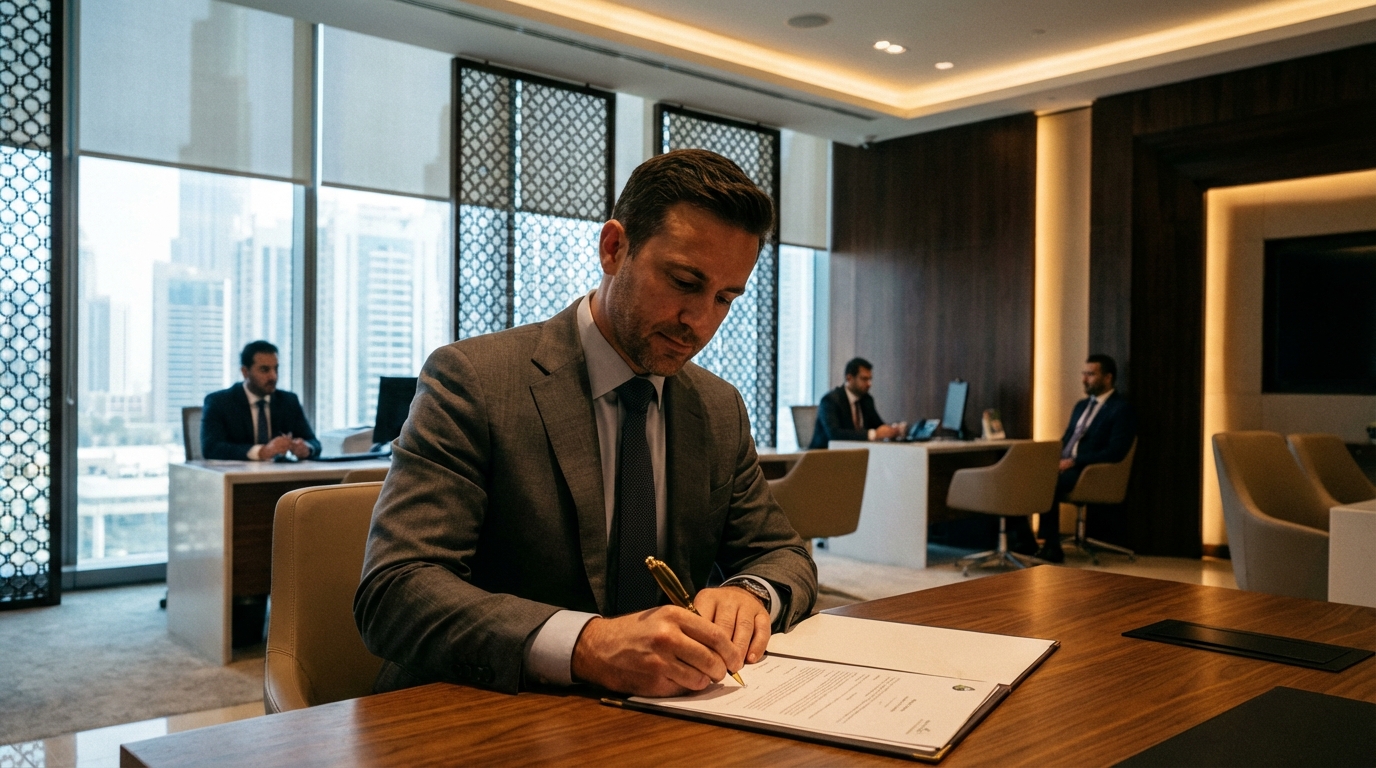
You survived the showroom floor and successfully avoided the predatory interest traps detailed in our master guide to getting a car loan in Dubai . Now, you face a different financial path. Many expats and locals refuse conventional loans entirely due to strict religious or ethical financial principles. If you demand a risk-sharing structure without compounding interest, you must utilize Islamic car finance UAE.This is not just a clever marketing gimmick designed to attract a specific demographic; it is a fundamentally different legal contract. Let us strip away the banking jargon and expose exactly how Sharia-compliant auto financing actually works in the Emirates, and how it directly affects your wallet.
The Core Mechanics of Islamic car finance UAE
Conventional banks lend you money and aggressively charge you rent on that money over time. Sharia-compliant banks do not lend money. They buy the actual physical vehicle and then sell it to you at a mathematically calculated, transparent profit. This specific financial structure is universally known in the Gulf market as Murabaha.
When you sign a Murabaha contract, the bank physically purchases the luxury SUV from the Al Aweer dealership. They take full legal ownership of the asset for a split second. Then, they instantly sell it to you at a fixed, predetermined price. You pay this total fixed price in monthly installments. Because the profit is permanently locked into the final sale price on day one, it cannot compound over time. If you unexpectedly miss a payment, the bank cannot legally charge you extra interest to generate more profit for themselves. Instead, they apply a late penalty fee.
By strict legal mandate, this fee cannot go into the bank’s revenue stream; it must be donated to a registered charity approved by the UAE Central Bank Higher Sharia Authority . This mechanism protects you from the terrifying debt spirals associated with conventional credit cards and flat-rate loans.
Ijarah: The Lease-to-Own Alternative
Not all banks deploy the Murabaha structure. Some institutions prefer a contract called Ijarah. Under an Ijarah agreement, the bank buys the car and rents it to you for a set period, usually up to 60 months. You do not legally own the vehicle during this period; the bank securely holds the title. You are simply paying for the utility of the asset. At the exact end of the rental term, assuming all your payments are cleared, the bank legally transfers the ownership to your name either as a gift or for a nominal fee.

This structural difference becomes critical if the car suffers a total loss in a catastrophic highway collision. Under a strict Ijarah agreement, the bank is technically the legal owner of the destroyed asset. They must deal with the insurance settlement directly. You are generally absolved from continuing to pay rent on an asset that no longer physically exists, though exact contract clauses always dictate the final financial audit. It is vital to note that despite the religious framework, Islamic banks operate under the exact same federal regulations as conventional lenders. You are still legally required to provide a 20% hard cash down payment upfront. No bank will finance 100% of the vehicle.
The Early Settlement Reality of Islamic car finance UAE
Many buyers assume that because Sharia-compliant banks do not charge compounding interest, paying off the car early will automatically save them massive amounts of money. This is a highly dangerous misconception.
In a Murabaha contract, you explicitly agreed to buy the car for a fixed total price. The bank’s profit was locked in on day one. If you decide to sell the car after two years and settle the debt, the bank is legally entitled to collect the entire remaining balance, including their original unearned profit margin. However, to remain competitive in the aggressive UAE market, most Islamic banks will voluntarily offer a rebate or discount on the remaining profit if you settle early. This is entirely at the bank’s discretion.
It is not a guaranteed legal right. You must aggressively negotiate this specific clause before signing the final paperwork. Demand the finance manager highlight the exact early settlement rebate policy in your physical contract.
Conclusion
Securing capital without violating your financial principles is entirely possible. By leveraging Islamic car finance UAE, you lock in a transparent, fixed-profit contract that protects you from predatory compounding debt. You have now mathematically secured the asset and the funding. But before the government allows you to drive that vehicle off the lot, the law requires you to attach a comprehensive insurance policy to the chassis. To avoid getting ripped off by brokers selling useless add-ons, you must immediately learn the critical differences between the car insurance types in Dubai.