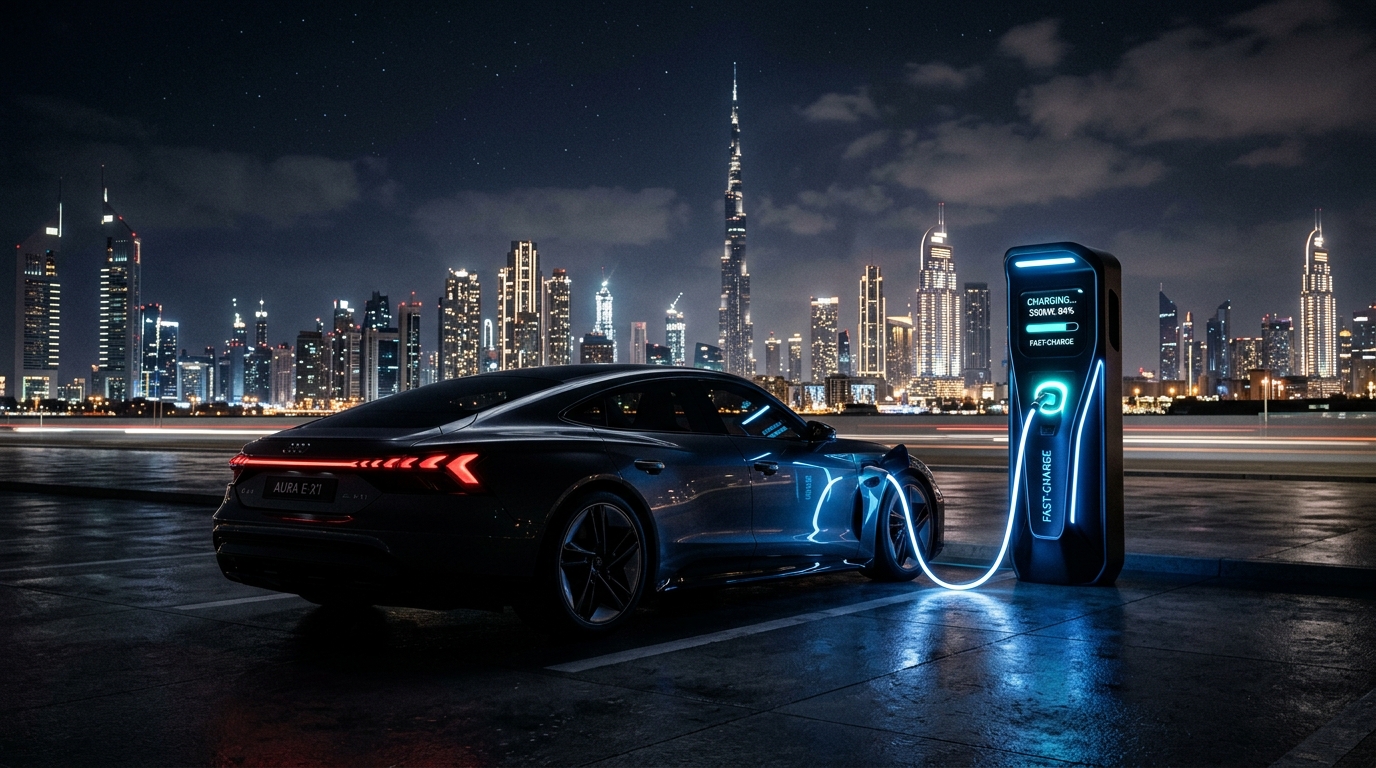
The transition to electric mobility in Dubai and Abu Dhabi is accelerating at an unprecedented pace, driven by government incentives and expanding charging networks. Navigating this new era requires a definitive UAE electric vehicle expat guide to understand the true costs of ownership, DEWA charging logistics, and battery performance under extreme GCC heat in 2026. Here is the reality of the EV market.
The automotive landscape in the Emirates is undergoing a massive electrical revolution in 2026. For new residents, understanding the UAE electric vehicle expat guide is no longer just about environmental consciousness; it is about pure financial mathematics. With petrol prices fluctuating globally, transitioning to an EV in Dubai or Abu Dhabi can slash your annual commuting costs by up to 60%.
However, before you calculate your fuel savings or apply for financing, we strongly advise reading our comprehensive breakdown of UAE car loans for expats to ensure bank rates do not consume your EV savings. Here is the reality of owning an electric vehicle in the UAE this year. UAE electric vehicle expat guide
1. The Charging Infrastructure Reality
The biggest fear for any expat buying an EV is “range anxiety.” In 2026, this is largely a myth if you live in major urban centers.
-
DEWA Green Charger Network: Dubai possesses one of the most dense charging networks in the world. You can find high-speed chargers in almost every major mall, RTA parking lot, and commercial building.
-
The Villa vs. Apartment Dilemma: If you rent a villa, installing a home charger is straightforward and cheap. However, if you live in a high-rise apartment in areas like Dubai Marina or JLT, you must confirm with your building management that your specific parking bay has EV charging access before buying the car. Relying solely on public chargers can be incredibly frustrating.

2. True Cost of Ownership vs. Petrol
While the initial purchase price of an EV remains 15% to 20% higher than its petrol equivalent, the long-term math favors the electric route.
-
Fuel Savings: Charging a Tesla Model 3 from 0 to 100% at home costs a fraction of filling a full tank of Super 98 petrol.
-
Maintenance: EVs lack spark plugs, oil filters, and traditional transmissions. Your annual maintenance bill will essentially consist of tire rotations, AC filter changes, and wiper blades.
3. Insurance Premiums for EVs
UAE electric vehicle expat guide
Do not be shocked when you receive your first insurance quote. Comprehensive insurance for electric vehicles is generally 10% to 15% more expensive than for petrol cars. This is due to the specialized nature of EV repairs and the high cost of importing replacement battery packs in case of a severe accident. Always shop around and use comparison portals to force brokers to compete for your policy.
4. Resale Value in the Secondary Market
Historically, EVs suffered from terrible depreciation due to battery degradation fears. In 2026, this trend has stabilized. High-end models (like Tesla, Porsche, and Audi) hold their value remarkably well. However, lesser-known Chinese EV brands imported without official agency backing can lose 40% of their value in the first year. Stick to GCC-spec vehicles from established dealerships to protect your investment.
Conclusion: Timing Your Purchase
The UAE government frequently updates incentives for EV owners, including free Salik (toll) tags, free designated parking, and subsidized charging rates. Monitor the latest RTA announcements to maximize these financial perks before making your final purchase.
The financial mathematics of abandoning petrol are becoming undeniable for daily commuters. By following this comprehensive UAE electric vehicle expat guide, you can confidently transition to an EV, capitalize on government incentives, and future-proof your transportation strategy in the Emirates.