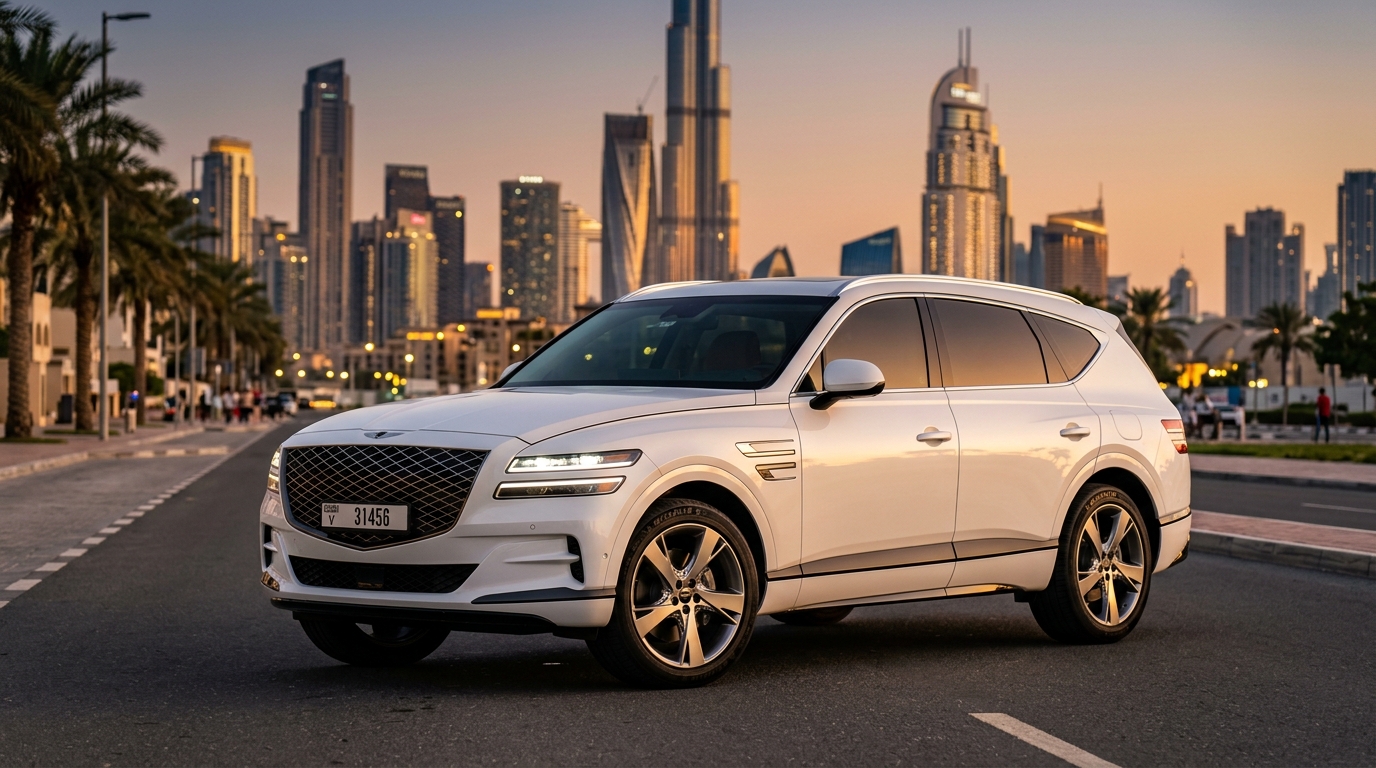
Forget the glossy showroom photos. The reality of the UAE secondary auto market is brutal. It eats uninformed buyers alive. You land at DXB, get your Emirates ID, and suddenly realize you need wheels. Fast. But rushing this process is financial suicide. Buying a used car in Dubai as an expat requires extreme caution, a healthy dose of suspicion, and strict adherence to mechanical protocols. We have seen too many newcomers hand over hard-earned cash for American-spec flooded vehicles disguised as pristine GCC-spec bargains. Before you even look at classified ads, make sure you understand the costs by reviewing our guide on UAE car insurance for expats. You need armor.
The Golden Rule of Buying a Used Car in Dubai as an Expat
Never trust the seller’s verbal promises. Ever. “Lady driven” or “perfect condition” usually means nothing. The Gulf climate destroys rubber seals, bakes wiring harnesses, and degrades batteries at terrifying speeds. You want proof. Demand full agency service history. If the seller claims they lost the booklet but the car is “fine,” walk away immediately. There are thousands of identical white Toyota Camrys and Nissan Patrols in Al Aweer and Abu Shagara. You hold the cash. You hold the power. Do not compromise.
GCC Spec vs. The Import Trap
This is where most people lose their money. The Emirates market is flooded with cheap imports from the US, Japan, and Korea. Why? Because many were total loss write-offs in their home countries. Salvaged. Flooded. Crashed. Then, they are shipped here, superficially repaired in cheap Sharjah garages, and sold to unsuspecting buyers. Stick exclusively to GCC specification cars. They have upgraded radiators, high-capacity AC compressors, and heavy-duty alternators engineered to survive 50-degree summers. An imported car might save you ten thousand dirhams today. It will cost you a new engine block in August.
The RTA Passing Myth
Here is a dangerous misconception. Many buyers assume that if a vehicle passes the official testing center, it is a mechanically sound investment. Wrong. The testing centers check for basic road legality. Emissions. Brake balance. Tire tread depth. Chassis integrity. They do not care if your transmission slips in third gear. They do not check if the head gasket is about to blow. To verify the true health of the vehicle, you must execute a comprehensive pre-purchase inspection at a specialized, independent garage. You pay for this inspection. Not the dealer. Never use the dealer’s “trusted mechanic. If you want official traffic fine and accident data, always verify the chassis number directly through the official RTA vehicle history portal.
Finance and Hidden Bank Costs
Cash is king, but finance is reality for most. If you are financing, the UAE Central Bank mandates a strict 20% down payment. However, banks finance 80% of their valuation, not the asking price. If you agree to buy a car for AED 100,000, but the bank values it at AED 80,000, the bank gives you AED 64,000. You must find AED 36,000 in cash. Instantly. This valuation gap destroys many deals. Furthermore, watch out for the “flat rate” lie. A 3% flat rate is actually closer to a 5.5% reducing rate. Run the math. Ask for the amortization schedule.
Negotiation Tactics That Actually Work
Dealers in the UAE are master negotiators. They do this all day. You do not. The moment you show emotional attachment to a specific vehicle, you lose. Stand your ground. Point out the worn brake pads. Highlight the minor scratches on the alloy wheels. Use the pre-purchase inspection report as a weapon to slash the asking price. Buying a used car in Dubai as an expat means understanding that the sticker price is just an opening suggestion. Start your counter-offer ridiculously low. Let them act insulted. It is all theater. Walk away. Nine times out of ten, your phone will ring before you reach the metro station. They want to move metal. Make them sweat for your dirhams. Buying a used car in Dubai as an expat
Transferring Ownership and Insurance
Do not drive away without insurance. It is illegal. Secure a comprehensive policy before you head to the RTA for the ownership transfer. Third-party liability is cheap, but it only covers the other guy when you crash. If you are buying a car under five years old, demand an “agency repair” clause. It costs more upfront. It saves you thousands when you need an original bumper instead of a cheap plastic imitation from a back-alley workshop.
Conclusion
The secondary auto market is a jungle. But it is a conquerable one. Stick to GCC specs. Demand independent inspections. Secure your financing before stepping onto the lot. Mastering the art of buying a used car in Dubai as an expat is entirely about removing emotion from the transaction and relying strictly on hard data and professional mechanical audits. Keep your guard up, trust the paperwork over the salesman, and you will secure a bulletproof asset for your life in the Emirates.
