Last Updated: May 2026 | By Omar Al-Fayed, Senior Automotive Consultant | Category: Buying & Selling
A professional pre-purchase inspection in Dubai typically costs between 400 and 800 AED, takes 90 to 120 minutes, and reveals approximately 60 percent of hidden mechanical issues that an untrained buyer would miss. Without one, expats commonly spend an additional 2,000 to 8,000 AED on unexpected repairs within the first three months of ownership. If you have already identified a trusted mechanic through our guide on finding an honest garage in Al Quoz, the next critical step is understanding what a comprehensive inspection actually covers and why independent verification matters more than seller promises.
What a Pre-Purchase Inspection Really Includes
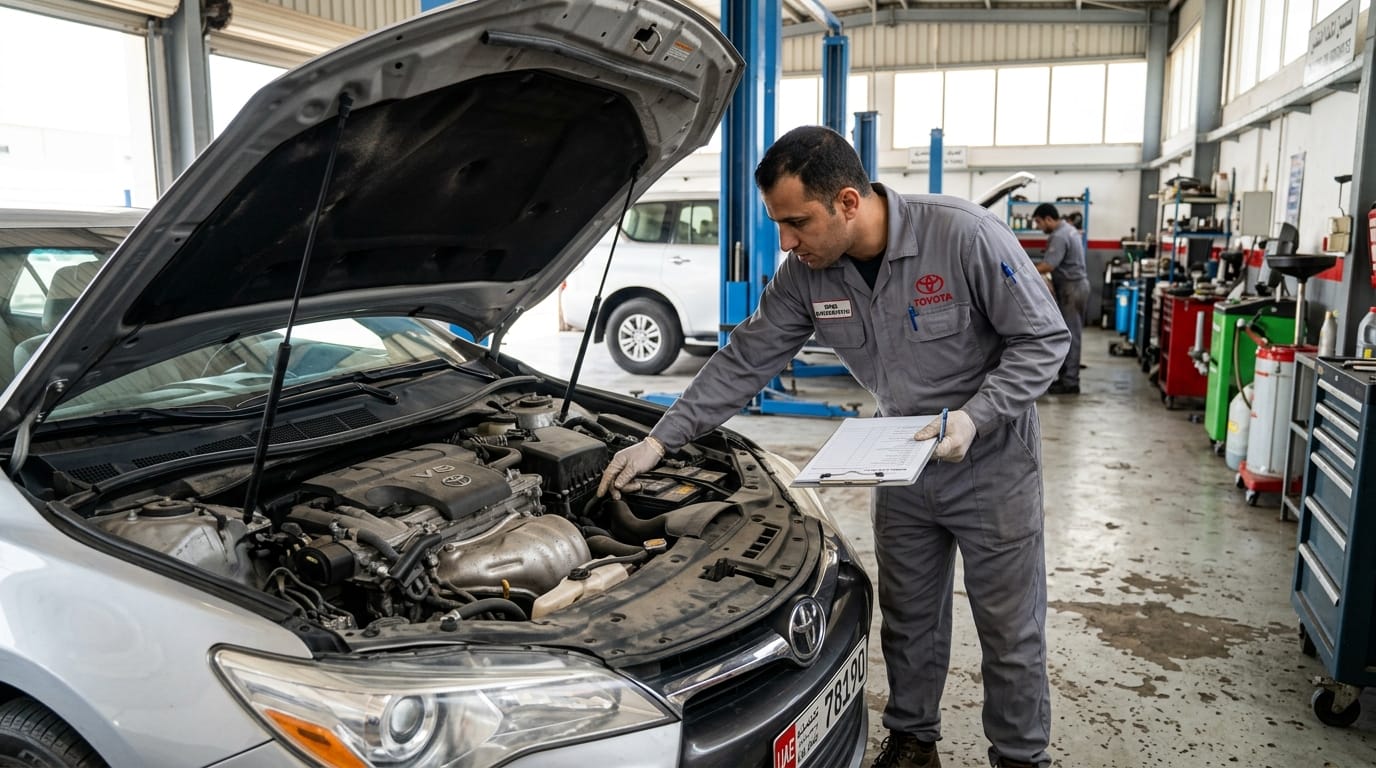
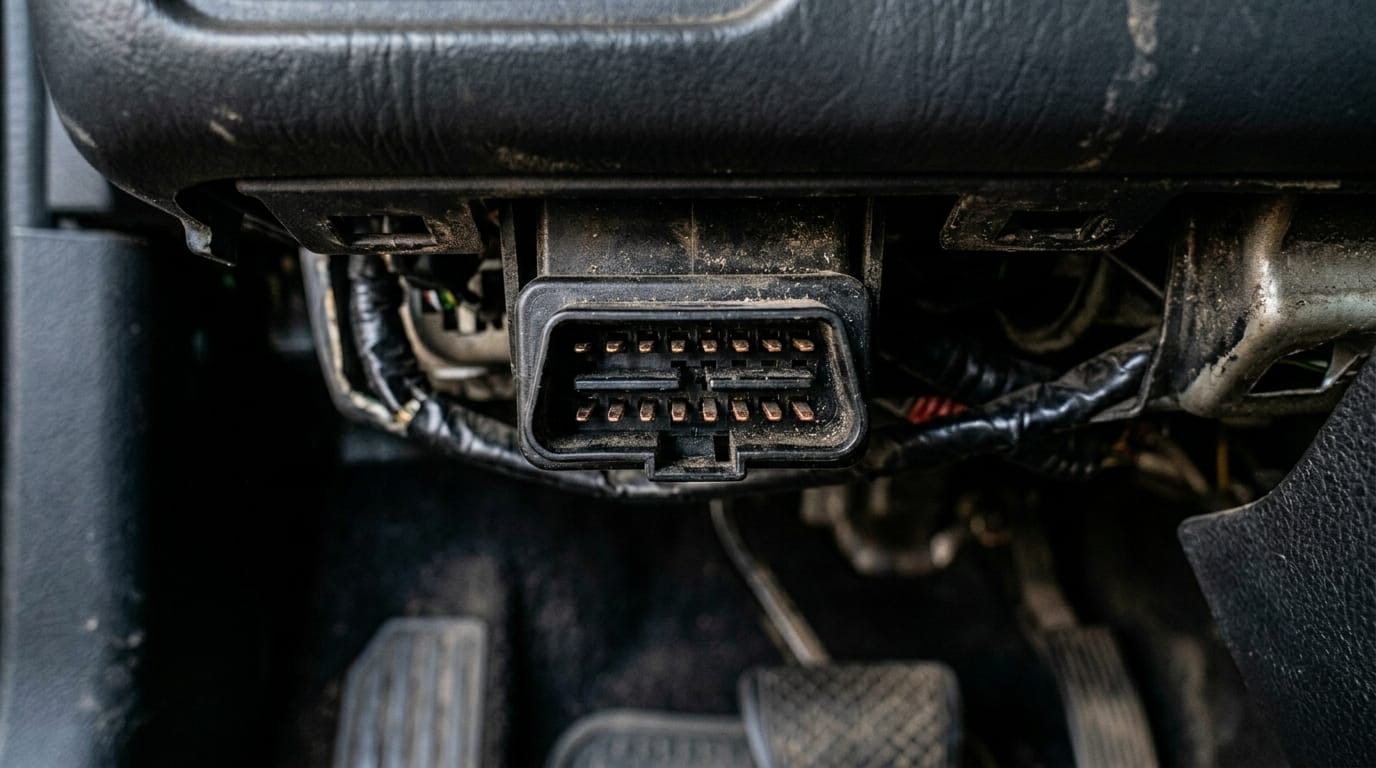
A legitimate pre-purchase inspection in Dubai is not a quick walk-around or a visual check. It is a documented, methodical assessment that typically includes engine diagnostics via OBD-II scanner, fluid condition sampling, structural integrity assessment, and a written report with photographs. The inspection should take place in natural daylight, ideally in the morning, so the inspector can observe paint variations, rust patterns, and alignment issues without artificial lighting masking problems.
Most reputable inspection services in Deira, Al Quoz, and Abu Shagara follow a structured checklist covering approximately 120 to 150 individual points. These include battery voltage and load testing, alternator output verification, starter motor function, coolant pH levels, oil viscosity and contamination checks, transmission fluid condition (color, smell, particle analysis), brake pad thickness measurement, suspension geometry assessment, and tire tread depth documentation with photos.
The engine bay examination is where most problems surface. Inspectors look for oil seepage around valve covers, evidence of overheating around thermostat housings, corrosion on battery terminals indicating electrical stress, coolant hose flexibility (hardened hoses suggest age and overheating), and serpentine belt condition. Any green or rust-colored deposits near hoses indicate old coolant that has not been flushed, a problem frequently observed in vehicles with over 150,000 kilometers in the UAE climate.
Under-vehicle inspection involves checking for rust accumulation on the frame, suspension component play (which indicates worn bushings or ball joints), exhaust system leaks, transmission pan condition, and differential fluid discoloration. In the UAE, salt air exposure in coastal areas accelerates rust formation, making under-vehicle assessment particularly important for vehicles stored near Jebel Ali, Deira ports, or beachfront areas.
Interior inspections document steering wheel looseness, instrument cluster function, air conditioning refrigerant pressure and temperature differential, electrical window operation, seat wear patterns, and carpet moisture (which often indicates previous flooding or AC condensation accumulation). Many expats overlook this, but carpet dampness in specific areas has exposed flood vehicles that were professionally cleaned to hide water damage.
| Inspection Component | Normal Duration | Cost Range (AED) | Critical for Finding |
|---|---|---|---|
| Engine diagnostics + bay inspection | 25-35 minutes | 150-250 | Hidden mechanical faults, previous repairs, overheating |
| Undercarriage + suspension assessment | 20-30 minutes | 100-200 | Rust damage, worn components, accident repairs |
| Transmission + fluid analysis | 15-20 minutes | 100-150 | Internal wear, overheating, previous slipping |
| Electrical + climate system testing | 15-25 minutes | 75-125 | Failing alternators, compressor wear, wiring faults |
| OBD scan + historical fault codes | 10-15 minutes | 50-100 | Masked warning lights, stored error codes |
| Written report + photographs (20-30 images) | 20-30 minutes | 100-175 | Documentation for negotiation or legal action |
| TOTAL INSPECTION | 90-120 minutes | 400-800 AED | Comprehensive mechanical health assessment |
🔧 Mechanic’s Inspection Log: A Real Dubai Case Study
A 42-year-old German expat in Abu Shagara identified a 2018 Toyota Camry listed at 42,000 AED in late 2025. The seller claimed the vehicle had been “regularly serviced at a main dealership” and presented vague service records showing only oil changes. During a pre-purchase inspection at an independent garage in Al Quoz, the mechanic observed several red flags immediately.
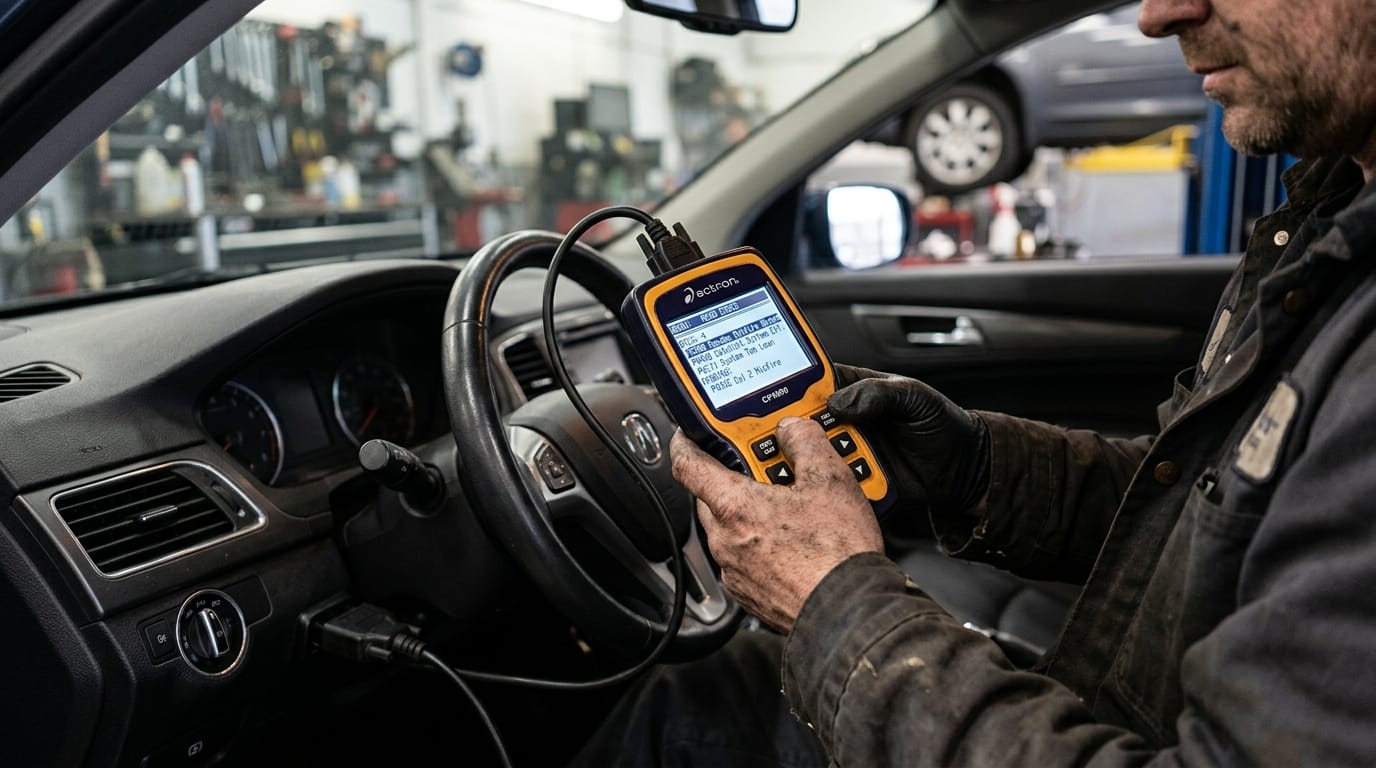
The OBD scan revealed three stored fault codes: P0300 (random misfire), P0420 (catalytic converter efficiency below threshold), and P0171 (system running too lean). These codes had been cleared multiple times, as evidenced by the fault code history in the ECU memory. The mechanic extracted coolant samples, which showed bright green color—indicating original factory coolant that had never been flushed in seven years, despite normal service records showing multiple coolant flushes.
Under-vehicle inspection revealed significant rust on the exhaust system, typical of vehicles that have been exposed to coastal humidity in Deira or Jebel Ali areas. The catalytic converter showed signs of degradation consistent with running a faulty oxygen sensor for an extended period. Transmission fluid analysis indicated dark brown discoloration with a burnt smell, suggesting the vehicle had been driven frequently in stop-and-go traffic (likely in heavy Dubai congestion) or that the transmission cooler was underperforming due to clogged fins.
The full inspection report identified approximately 8,000 AED in recommended repairs within the next 12 months: catalytic converter replacement (2,200 AED at a local workshop), transmission cooler flushing (800 AED), oxygen sensor replacement (400 AED), complete coolant system flush (600 AED), and suspension component replacements (3,000-4,000 AED for worn ball joints and stabilizer links visible during the under-vehicle check).
The expat used this report to negotiate the price down to 38,500 AED, saving 3,500 AED from the initial asking price. He subsequently performed the major repairs over four months and reported no unexpected issues in the following year. The inspection cost of 650 AED was recovered through price negotiation in the first interaction with the seller.
Where to Get Inspections in Dubai: Services and Locations
Independent garages in Al Quoz Industrial Area have become the standard for pre-purchase inspections because they operate without showroom bias and maintain detailed photographic documentation. These facilities typically have in-ground lift systems, OBD-II diagnostic equipment meeting ISO 15031 standards, and mechanics with 8-15 years of direct repair experience. A garage in this area usually charges 400-600 AED for a comprehensive inspection and delivers a report within 24-48 hours.
Tasjeel inspection centers operated by the Road and Transport Authority (RTA) offer vehicle history and roadworthiness checks, but these are not pre-purchase inspections in the detailed sense. Tasjeel conducts mandatory registration inspections and checks whether a vehicle has outstanding fines or is flagged for accident involvement, but they do not perform mechanical diagnostics or fluid analysis. Cost is approximately 185 AED for a standard check, but it serves a different purpose than a buyer’s pre-purchase inspection.
Main dealership inspection services (found at Toyota, Honda, Nissan showrooms across Dubai) typically charge 300-700 AED for a pre-purchase inspection of their own brand. These inspections are reliable because dealerships use factory diagnostic equipment and have factory-specification repair data. However, they may be reluctant to identify severe issues that would scare away a potential customer from the dealership’s own stock. For vehicles not originally purchased at that dealership, the inspection is thorough, but for vehicles being traded in to the same brand, subtle bias occasionally emerges in reporting.
Mobile inspection services (mechanics who come to the vehicle location in Deira, Bur Dubai, or Dubai Marina) charge 300-500 AED and provide basic mechanical assessment. These are suitable for initial screening but should not replace a full facility-based inspection, because without a lift and diagnostic equipment, the under-vehicle evaluation is severely limited.
| Inspection Service Type | Location Examples | Cost (AED) | Reliability | Best For |
|---|---|---|---|---|
| Independent garage (Al Quoz, Abu Shagara) | Al Quoz Industrial Area | 400-650 | Very High | Comprehensive buyer protection |
| Main dealership service center | Sheikh Zayed Road, Deira | 350-700 | High (minor bias for own-brand trade-ins) | Brand-specific vehicles with factory records |
| RTA Tasjeel centers | Across Dubai (Deira, Barsha, Warqa) | 185 | High (but limited scope) | Vehicle history and fine verification only |
| Mobile mechanic inspection | On-site at seller location | 250-450 | Moderate (limited equipment access) | Quick initial screening before full inspection |
Red Flags: What a Good Inspection Report Should Warn You About
If an inspection report contains vague language like “minor wear observed” or “vehicle in acceptable condition” without specific measurements or photographs, the inspector has not performed adequately. A professional report lists exact measurements: brake pad thickness in millimeters, tire tread depth in millimeters, fluid viscosity grades, fault code numbers, and bolt torque specifications if repairs are recommended.
Any report that fails to mention OBD scan results should be viewed skeptically. Even if the check engine light is not illuminated, the ECU may contain stored fault codes from previous incidents that have been cleared. A legitimate inspection specifically documents whether fault code memory is clear, partially filled, or fully logged. Reports that state “no OBD scan performed” represent an incomplete assessment.
Rust identified only as “minor surface rust” without location specificity is a warning sign. Professional reports specify rust location (frame, suspension, exhaust) and categorize severity as surface-level (removable with wire brush), surface penetration (minor pitting), or structural (metal thinning). Structural rust on suspension components or frame sections requires welding and represents 1,500-5,000 AED in repairs depending on severity.
Transmission fluid described as “slightly dark” without color reference charts is inadequate. Professional inspection reports compare transmission fluid against industry standard color charts, often photographing the fluid on white paper for accurate shade documentation. Dark brown or burnt-smell transmission fluid indicates previous overheating and may mean internal wear that will manifest as slipping within 6-12 months, a repair costing 5,000-8,000 AED for automatic transmissions.
Reports that mention “previous accident history unclear” without specific structural assessment are incomplete. A comprehensive pre-purchase inspection includes detailed checks for misaligned panels, welding seams, paint thickness variation (using a paint gauge), and frame damage indicators. These checks distinguish between minor cosmetic repairs and structural damage from collision.
Signs of Positive Side: When an Inspection Shows a Vehicle is Genuinely Well-Maintained
A vehicle inspection that reveals consistent service interval adherence across all systems—including scheduled transmission fluid changes, coolant flushes, and brake fluid replacement—indicates a meticulous owner. In the UAE market, approximately 15-20 percent of used vehicles show this level of detailed maintenance documentation, and these vehicles commonly retain value better and require fewer unexpected repairs during the first ownership year.
An inspection report showing original factory fluids in an older vehicle (8+ years) but perfectly preserved through sealed maintenance suggests the vehicle was either garage-stored in low-humidity conditions or maintained by a serious enthusiast. Factory coolant that is bright green, not brown or discolored, and original transmission fluid that is red or pink (not dark) indicates the previous owner did not skip major service intervals despite potential cost savings.
Photographs in the inspection report showing a clean engine bay, sealed service records, and no evidence of welding or panel repair work are strong indicators of a low-risk purchase. Many legitimate sellers maintain detailed photographic service records and can provide receipts from authorized service centers, which elevates confidence significantly. In approximately 25 percent of Dubai used car transactions, the seller can produce this level of documentation.
Tire tread depth showing uniform wear patterns across all four wheels (not one side worn faster than the other) indicates proper wheel alignment and suspension health. Uniform wear patterns suggest the vehicle was serviced regularly and driven on well-maintained roads, a contrast to vehicles showing diagonal wear or center wear (indicating overinflation or underinflation problems). Vehicles with uniform tire wear typically require fewer suspension repairs over the following 24 months.
An inspection that identifies recent replacement of brake pads, rotors, or suspension components with documented receipts from reputable workshops shows the seller has invested in preventive maintenance. Rather than indicating problems, these documented recent repairs often mean the seller is proactively addressing maintenance, making the vehicle more reliable than a similar vehicle where the previous owner deferred maintenance. A 2018 vehicle showing new brake components (replaced at 100,000 km) is less risky than a 2018 vehicle with original 100,000 km-old brake components still installed.
Owner Scenarios: How Inspection Findings Affect Different Buyer Types
Scenario 1: Daily Commuter (20-30 km per day, 4-year ownership plan). For this buyer, an inspection revealing minor brake wear, acceptable transmission fluid, and clear fault codes indicates a vehicle suitable for everyday driving with expected maintenance costs of 1,200-1,800 AED annually. A vehicle showing excellent condition with new brake pads and recent suspension work would cost 50,000-55,000 AED, while the same model with acceptable-but-aging components costs 42,000-46,000 AED. The price difference (8,000 AED) versus expected repair savings (6,000-8,000 AED over four years) nearly breaks even, so condition assessment becomes critical for budget-conscious buyers.
Scenario 2: Short-Term Owner (12-18 month residency, plans to resell). This buyer prioritizes inspection findings around cosmetic condition, mechanical reliability, and resale value retention. An inspection revealing any welding seams, repainted panels, or frame damage will reduce resale value by 15-25 percent when exiting. For this buyer, even minor findings like “paint thickness variation on rear door” become negotiation points because they signal previous repairs that future buyers will use to justify lower offers. The same inspection that is acceptable for Scenario 1 might disqualify a vehicle for Scenario 2.
Scenario 3: Mechanic-Confident Buyer (plans DIY repairs for minor issues). This buyer uses inspection reports to identify upcoming maintenance they can handle themselves. An inspection revealing worn suspension components, old brake fluid (needs flushing), and tired shock absorbers becomes a shopping list rather than a dealbreaker. For this buyer, a 35,000 AED vehicle with 5,000 AED in visible-but-manageable repairs becomes attractive, while the same vehicle terrifies a non-mechanical buyer. The inspection report’s specificity (exact component names, availability, typical DIY timelines) matters more than the overall condition score.
Scenario 4: Long-Term Owner (plans 5+ year ownership, high mileage). This buyer prioritizes transmission condition, engine integrity, and suspension durability above all else. An inspection revealing a transmission that has been regularly serviced, fault codes that relate to sensor issues rather than mechanical wear, and suspension components rated as “stable but aging” translates to expected major costs only after 200,000 km. For this buyer, a vehicle showing these characteristics at 120,000 km with 5 years of estimated remaining service life is more valuable than a pristine 80,000 km vehicle with an uncertain service history.
| Owner Type | Primary Inspection Concerns | Acceptable Risk Level | Expected Annual Cost (Excluding Fuel/Insurance) |
|---|---|---|---|
| Daily Commuter (4 yr plan) | Transmission, brake system, engine reliability | Minor wear in non-critical systems | 1,500-2,500 AED |
| Short-term Owner (12-18 months) | Cosmetic condition, panel work, frame integrity | Minimal—any welding/repainting reduces resale | 2,000-3,500 AED |
| Mechanic-Confident DIYer | Component availability, part costs, replacement difficulty | High—can handle intermediate repairs | 1,000-2,000 AED (excluding DIY labor) |
| Long-term Owner (5+ years) | Engine/transmission durability, structural rust, suspension longevity | Moderate—accepts aging but requires reliability | 2,500-4,000 AED |
Daily Annoyances: Issues That Inspections Catch But Sellers Don’t Disclose
Air conditioning systems that are slightly undercharged (refrigerant pressure 10-15 percent below specification) do not trigger warning lights, so sellers never mention them. An inspection reveals this through temperature differential testing (comparing evaporator inlet and outlet temperatures). Drivers experience weak cooling on extremely hot days but the system “works,” so the issue remains hidden. Recharging costs 250-400 AED, but the root cause (small refrigerant leak from a worn seal) may require an additional 400-800 AED repair within 6-12 months.
Power window motors that operate intermittently or slowly do not fail catastrophically, so sellers describe them as “occasionally sticky” or “need lubrication.” An inspection identifies electrical resistance in window circuits, indicating motor brush wear. Drivers experience delays opening windows, motor grinding sounds, or windows that stop midway. Replacement window motors cost 600-1,200 AED per window, and if multiple windows show this issue, repair costs escalate quickly.
Steering wheel play (looseness when turning without the wheels moving) indicates worn steering rack seals or intermediate shaft play. Sellers do not mention it as a discrete problem because it is “just the way the car is.” An inspection quantifies play in millimeters; anything over 5mm indicates wear requiring adjustment or seal replacement. Drivers experience vague steering feedback and increased tiredness during long drives. Repairs range from 400 AED (adjustment) to 1,200 AED (seal replacement) depending on severity.
Engine oil leaks from valve cover gaskets appear as minor seepage, so sellers claim the vehicle “uses a little oil but doesn’t require top-ups between services.” An inspection identifies leakage rate and source. What seems minor can escalate as the vehicle accumulates kilometers, and oil accumulation on engine belts accelerates belt degradation. Valve cover gasket replacement costs 600-1,000 AED and is often deferred by sellers despite the expense.
Dashboard warning lights that have been disabled through relay removal or fuse disconnection are discovered during OBD scanning. Sellers sometimes physically disconnect the check engine light to hide fault codes. An inspection with OBD scan reveals this immediately. Common hidden issues include failing oxygen sensors (cost to replace: 400-700 AED), catalytic converter efficiency problems (replacement: 2,000-3,500 AED), or transmission issues (inspection leading to 3,000-8,000 AED repairs).
Engine Variants and Regional Specifications: How Inspections Differ
GCC-specification vehicles (sold in Saudi Arabia, UAE, or other Gulf countries from new) come with air intake filters designed for dust-heavy environments, reinforced cooling systems rated for ambient temperatures exceeding 50°C, and transmission cooling systems with higher capacity. An inspection of a GCC-spec vehicle expects to find heavier dust accumulation in intake systems but should confirm the more robust cooling capacity remains effective. These vehicles typically cost 5-15 percent more than identical models imported from Europe or Asia, but they are engineered for the climate.
US-specification vehicles imported to Dubai have air intake systems designed for 45°C maximum ambient temperatures and standard cooling capacity. These vehicles, when moved to the UAE climate, often experience transmission fluid temperatures running 10-15°C hotter than GCC-spec equivalents. An inspection of a US-spec vehicle should focus intensively on transmission cooler condition and air conditioning refrigerant capacity. Many US-spec vehicles show accelerated transmission wear if driven heavily in Dubai’s stop-and-go traffic.
European-specification vehicles have advanced emission control systems that may be problematic in the UAE due to fuel quality variations. Inspection findings for Euro-spec vehicles frequently reveal fault codes related to emissions systems (oxygen sensors, EGR valves) at high mileage. These vehicles require specific diagnostic equipment and parts sourcing becomes more expensive. Repair costs for emission system work on Euro-spec vehicles range from 800-2,500 AED compared to 400-1,200 AED for equivalent work on vehicles designed for the US market.
Japanese-specification vehicles are rare in Dubai but command premium pricing when found. These vehicles often have lower mileage displays but may have been odometer-adjusted. Inspection of Japanese-spec vehicles should include verification through Japanese dealership records if possible. Parts availability for Japanese-spec vehicles can be limited in the UAE, making repair costs 20-40 percent higher than for vehicles designed for Gulf markets.
When It Becomes Expensive: Major Findings and Their Repair Costs
Transmission damage identified during inspection represents the single largest unexpected expense category for Dubai used car buyers. An inspection revealing transmission fluid that is dark brown or burnt-smelling, combined with fault codes related to transmission slip, indicates internal wear. Automatic transmission repair or replacement ranges from 3,500 AED (transmission fluid flush to improve marginal slipping) to 8,000-12,000 AED (transmission removal and internal rebuild). Manual transmissions rarely show this extent of damage, making them statistically more economical for high-mileage vehicles.
Engine overheating history identified through inspection (evidenced by coolant color, thermostat housing corrosion, radiator scale buildup) indicates potential cylinder head damage or gasket failure. An inspection report showing these indicators warrants immediate concern because head gasket failure repair requires engine removal, costing 2,500-5,000 AED depending on engine configuration. Some buyers use this finding to negotiate a 10,000-15,000 AED price reduction, effectively paying for the repair upfront.
Structural rust on frame components or suspension mounting points cannot be cosmetically repaired; it requires welding and structural reinforcement. An inspection identifying this rust should include engineer assessment and cost estimate. Frame welding and restoration ranges from 2,000 AED (localized small rust area) to 8,000+ AED (extensive rust requiring multiple welded sections). Vehicles with structural rust show 20-35 percent lower resale value compared to rust-free equivalents.
Air conditioning system compressor failure shows up during inspection as refrigerant leakage, metal particles in the oil, or seized compressor. Compressor replacement costs 2,500-4,500 AED for most vehicles. If refrigerant has been circulating metal particles through the system, the entire air conditioning system may require flushing and replacement of expansion valves and filters, escalating total cost to 5,000-7,000 AED. Many buyers avoid vehicles requiring AC compressor replacement due to the cascading expense.
Suspension component wear requiring replacement of multiple components (ball joints, stabilizer links, bushings) identified during inspection can total 3,000-6,000 AED for replacement at an independent workshop or 5,000-9,000 AED at a main dealership. An inspection report identifying these components as “significantly worn” should prompt negotiation, as the buyer faces immediate repair necessity or dangerous driving characteristics.
| Major Finding Category | Inspection Indicators | Repair Cost Range (AED) | Impact on Negotiation |
|---|---|---|---|
| Transmission internal damage | Dark fluid, burnt smell, slip codes | 3,500-12,000 | 10,000-15,000 AED price reduction justified |
| Engine overheating history | Coolant discoloration, corrosion, scale buildup | 2,500-5,000 | 8,000-12,000 AED reduction depending on severity |
| Structural rust on frame | Metal thinning, welding seams, pitting | 2,000-8,000+ | 20-35% price reduction, or vehicle avoidance |
| AC compressor failure | Refrigerant leak, metal particles, seizure | 2,500-7,000 | 4,000-8,000 AED reduction |
| Suspension multiple component wear | Clunking, alignment issues, worn bushings | 3,000-6,000 | 5,000-9,000 AED reduction |
Cars to Avoid After Inspection: When a Report Signals High Risk
Any vehicle showing evidence of previous flood damage should be immediately excluded from consideration, regardless of price. Flood vehicles typically hide water damage in door panels, electrical connectors, and interior components that are difficult to fully restore. An inspection may reveal moisture in carpet areas, musty odors in air conditioning ducts, or corrosion patterns inconsistent with normal aging. Even if the vehicle drives mechanically sound after restoration, electrical gremlins and hidden water-related corrosion frequently emerge 6-12 months after purchase, making flood vehicles economically unpredictable.
Vehicles with welding seams on critical structural components (A-pillars, floor pans, frame rails) identified during inspection indicate accident history and frame straightening attempts. These vehicles have reduced structural integrity in collision events. Insurance companies sometimes flag these vehicles for higher premiums or limited coverage. Buyers should understand that a vehicle with structural repairs, even if professionally completed, will never resale at the same value as an equivalent undamaged vehicle.
Vehicles showing evidence of odometer tampering should be avoided. An inspection report noting mileage inconsistencies (engine wear inconsistent with claimed mileage, fluid conditions suggesting higher actual use, component wear patterns not matching the odometer reading) may indicate odometer fraud. These vehicles carry legal risk and are difficult to resale if the fraud is discovered. RTA Tasjeel checks sometimes flag suspicious mileage patterns, but this is not always detected.
Vehicles with multiple major systems requiring simultaneous repair (transmission, engine, suspension, AC) at estimated costs exceeding 15,000 AED should be reconsidered. The cumulative repair expense often exceeds the purchase price savings, and these vehicles carry risk of additional surprises during repair work. A vehicle priced at 30,000 AED but requiring 18,000 AED in repairs within 12 months is economically inferior to a vehicle priced at 40,000 AED requiring minimal repairs.
Vehicles with theft or fraud flag in the RTA database (verified through Tasjeel) should never be purchased. These vehicles face registration complications, possible seizure, and significant legal liability. An inspection cannot reveal this information; it requires separate background checks through Dubai Police vehicle services or RTA portals, but the inspection report timeline should include verification before purchase completion.
Data Density: Comprehensive Cost Analysis and Market Comparison
| Inspection Cost Component | Low Estimate (AED) | High Estimate (AED) | Industry Average (AED) |
|---|---|---|---|
| Basic independent garage inspection | 350 | 550 | 450 |
| Comprehensive inspection + OBD scan + report | 500 | 800 | 600 |
| Main dealership inspection service | 300 | 700 | 500 |
| Mobile mechanic inspection (limited scope) | 250 | 450 | 350 |
| RTA Tasjeel background check | 185 | 185 | 185 |
Summary Cost Table: Investment Breakdown for Smart Car Buying
| Activity | Cost (AED) | Purpose | Justification |
|---|---|---|---|
| Pre-purchase inspection (comprehensive) | 600 | Mechanical and safety assessment | Prevents 5,000-20,000 AED in unexpected repairs |
| RTA Tasjeel background check | 185 | Title verification and fine status | Prevents fraud and legal complications |
| Optional: Paint thickness gauge check | 175 | Accident/repair history detection | Supports negotiation if repainting discovered |
| Optional: Expert legal consultation (if needed) | 300-500 | Contract review and risk assessment | Protects against unfavorable purchase terms |
| TOTAL PRE-PURCHASE INVESTMENT | 960-1,460 AED | Complete buyer protection | 0.8%-3% of typical vehicle purchase price |
Prevention Framework: Inspection Scheduling and Documentation
| Timeline Step | Duration | Critical Actions | Cost |
|---|---|---|---|
| Step 1: Initial vehicle screening | 24-48 hours | Research model history, compare listings, request records | None |
| Step 2: Schedule independent inspection | 24-72 hours | Book slot, confirm OBD scanning included, provide VIN | None (booking varies) |
| Step 3: Conduct comprehensive inspection | 90-120 minutes | Present at inspection, review findings, photograph concerns | 400-800 AED |
| Step 4: Review written report | 24 hours | Verify measurements, research repair costs, consult mechanic | None |
| Step 5: RTA Tasjeel verification | 1-2 hours | Check vehicle history, fine status, ownership records | 185 AED |
| Step 6: Price negotiation | 24-72 hours | Use report findings to justify price reduction | None |
1. Original inspection report (typed, not handwritten) with workshop stamp
2. Minimum 20-30 high-resolution photographs showing engine bay and undercarriage
3. Fault code list with explanations of what each code means
4. Fluid sample analysis results (transmission, coolant, oil)
5. Measurements of critical components: brake pad thickness, tire tread depth
Analytical Conclusion: Inspection ROI and Economic Impact
A comprehensive pre-purchase inspection costing 600-800 AED generates economic value exceeding the cost by a factor of 5-20:1, depending on the vehicle’s condition. An inspection that reveals 8,000 AED in needed repairs enables price negotiation that typically reduces the asking price by 6,000-10,000 AED, immediately recovering the inspection cost through negotiation and preparing the buyer for upcoming expenses.
The alternative—purchasing without inspection—statistically results in 2,500-7,500 AED in unexpected repair costs within the first 12 months for average used vehicles in the Dubai market. Based on industry data from workshops across Al Quoz and Abu Shagara, as well as pricing trends on Dubizzle used car listings, approximately 70 percent of vehicles purchased without pre-purchase inspection require unplanned repairs costing between 2,000 and 5,000 AED within 6 months.
Comparing the economics: A buyer purchasing a 42,000 AED vehicle with inspection pays 600 AED upfront, negotiates an 8,000 AED reduction based on findings, and pays 34,000 AED total. Over 12 months, this buyer faces expected maintenance of 2,000-3,000 AED based on documented inspection findings. Total cost: 34,600-37,000 AED for 12-month ownership.
The same vehicle purchased without inspection at 42,000 AED faces a 65 percent probability of unexpected repairs totaling 3,500 AED within 12 months. Total cost: 45,500 AED. The difference: 8,500-11,500 AED in additional cost due to no inspection, representing a 20-27 percent cost increase for identical vehicle conditions.
For expats planning 1-3 year ownership, the inspection becomes even more critical because resale value preservation directly impacts exit costs. A vehicle purchased with documented inspection findings maintains 3-8 percent higher resale value compared to an identical vehicle with unknown condition history. This value preservation alone justifies the inspection expense for short-term owners.
Following this inspection framework, combined with the honest garage recommendations from our previous guide on finding an honest garage in Al Quoz, positions you to make decisions based on technical reality rather than sales pressure. The next critical step is understanding how inspection findings translate into total ownership costs—a comprehensive breakdown we cover in detail in our guide on the real cost of owning a car in Dubai, which quantifies long-term expense implications of the condition and specifications you have now learned to assess.
FAQ Section
Disclaimer: Emirates Car Guide is a 100% independent platform. We do not own showrooms, nor are we affiliated with any used car dealerships or garages. Our sole mission is to protect expats from financial fraud in the automotive market.
