Last Updated: Aug 2026 | By Omar Al-Fayed, Senior Automotive Consultant | Fact-Checked By: Emirates Cars Editorial Team | Category: UAE Market News
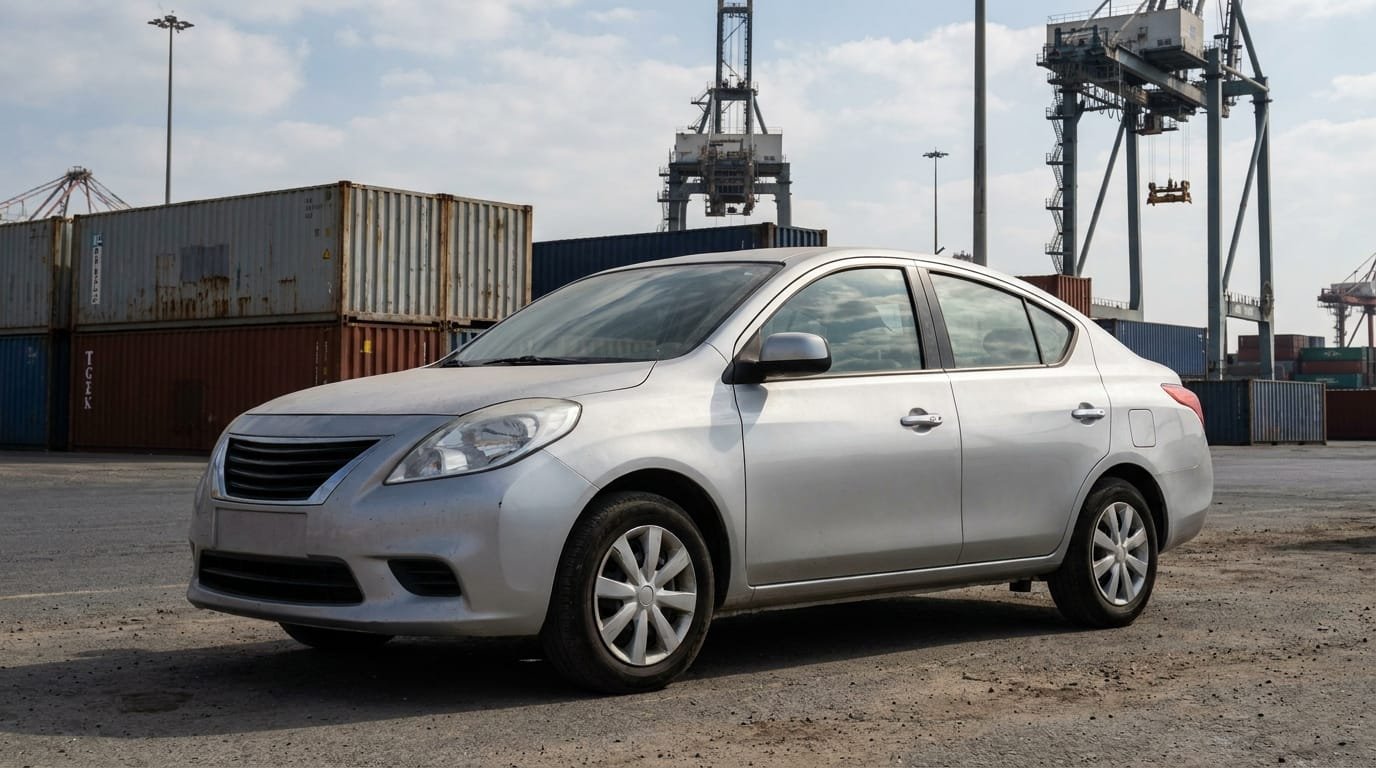
UAE import duty used cars rules charge 5% based on the customs-assessed value, with customs valuation incorporating the applicable cost, insurance and freight elements — not simply the advertised overseas sticker price. On a vehicle with an assessed value of AED 100,000, that duty alone adds AED 5,000, which is why the final landed cost usually sits above the number shown on a foreign listing.
UAE Import Duty Used Cars: The 5% CIF Calculation
Dubai Customs charges 5% customs duty on the customs-assessed value of an imported vehicle. The customs value is based on the applicable valuation rules and includes the relevant cost, insurance and freight elements.
Import VAT is charged at the standard 5% rate on the taxable value of the import, which includes the customs value and customs duties and may also include applicable customs fees and other amounts included under UAE VAT rules. In a simplified example using AED 100,000 as the taxable customs value and assuming no additional taxable import amounts, the 5% duty is AED 5,000 and 5% VAT on AED 105,000 is AED 5,250 — an illustrative example only, since the actual taxable value may include additional amounts specific to the shipment.
Is the Duty Charged on the Car’s Price or Its Customs Value?
It is charged on customs value, not on whatever price you agreed with the seller. If Dubai Customs has doubts about the declared value or supporting documents, it can require additional evidence and determine the customs value using the applicable customs valuation methods.
This matters most for buyers importing a US-spec used car bought at a steep discount abroad — a low headline price does not guarantee a proportionally low customs bill once the assessed value is applied.
Vehicles that are not GCC-specification also face an extra layer of scrutiny at this stage, since specification affects both the assessed value and the paperwork required before the car can move past clearance. Reviewing the GCC-spec versus non-GCC guide before shipping avoids surprises at the port.
What Other Costs Come With Importing a Used Car?
| Cost | What It Covers | How It Affects the Final Cost |
|---|---|---|
| Customs duty | 5% of the customs-assessed value | Fixed rate, added to landed cost |
| Import VAT | 5% of the taxable import value | Applied after duty, not before |
| Shipping/freight | Moving the car to a UAE port | Varies by origin, route, and shipping method |
| Marine insurance | Shipping-risk cover | Varies by shipment and insurer |
| Port/clearance agent fees | Local handling and documentation | Varies by port, shipping arrangement and service provider; obtain a written quote before importing |
| MoIAT Product Status Statement | Confirms whether an imported used vehicle is eligible for registration and use in the UAE | Published service fee: AED 200 |
| Registration | RTA or emirate-specific process | Varies by emirate, vehicle and registration circumstances; confirm with the relevant authority |
Several of these fees are variable by provider, which is the same reason hidden fees on a local used-car purchase catch buyers off guard — the sticker price is never the full picture, whether the car comes from abroad or from a dealer down the road.
How Import Duty Changes Used-Car Prices in the UAE
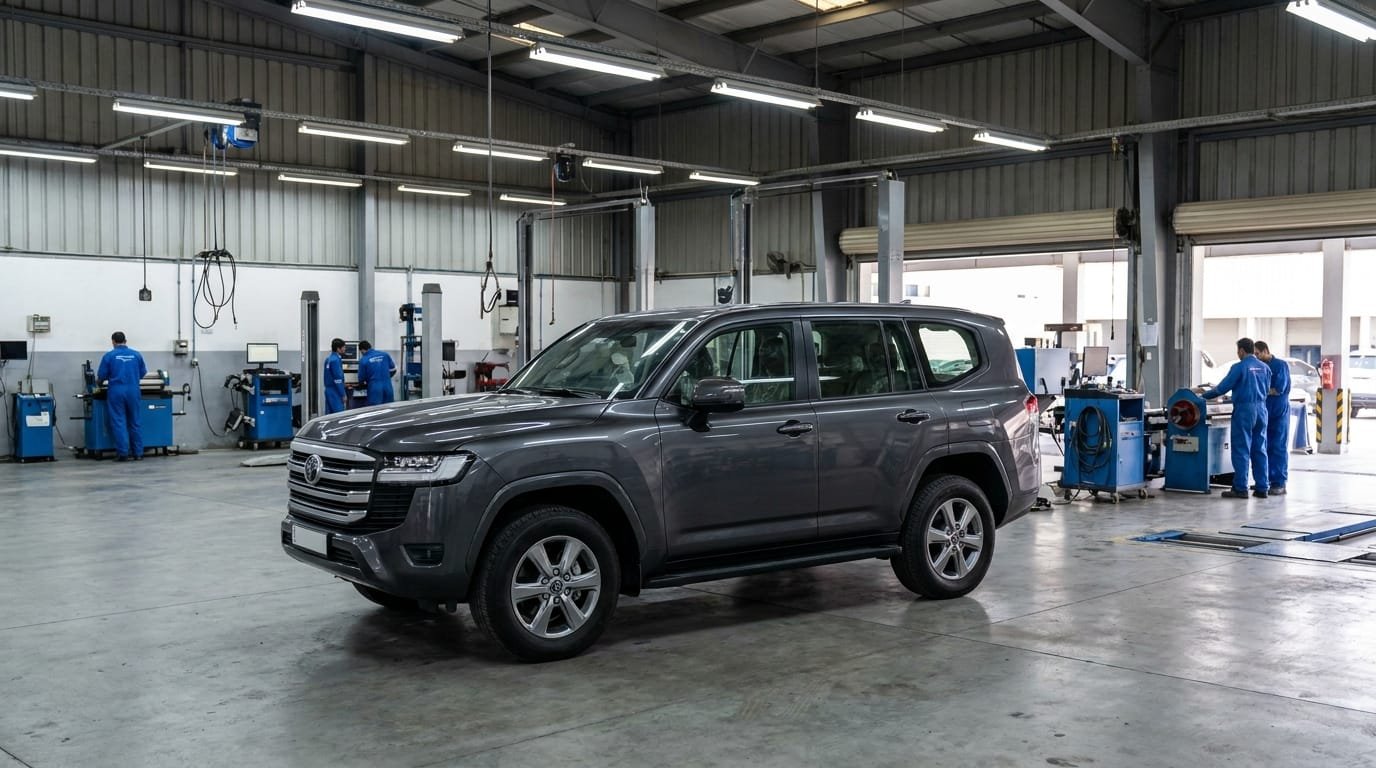
Duty, VAT and other import costs increase the landed cost of an imported vehicle. Once you add UAE import duty used cars taxes to shipping, clearance, and registration, an overseas car that looked AED 15,000 cheaper on paper can lose most of that gap before it reaches a UAE plate.
Import taxes and other landed costs can affect the price difference between an imported vehicle and a comparable vehicle already available in the UAE, including cases like the Japanese and Korean used-car price gap seen in the local market.
Imported vehicles add another source of supply to the UAE market, but the effect on local prices depends on vehicle type, supply and demand, specification and landed cost. An asking price on a listing site is not the same as what a car actually sells for, so compare landed cost against real local transactions rather than other overseas asking prices.
When Can Importing Still Cost Less Than Buying Locally?
Importing can make sense when the overseas price gap is large enough to absorb duty, VAT, shipping, insurance, clearance, conformity checks, and registration — and still land below a comparable UAE unit of the same year, mileage, and condition.
The comparison only works if you check when local used-car prices typically soften before assuming the overseas deal wins by default; local seasonal dips can close the gap without any shipping involved.
Never treat an illustrative landed-cost calculation as a guaranteed final price — the assessed customs value, exact shipping quote, and inspection outcome can all shift the total.
Import vs Local: Two Decision Scenarios
Decision Scenario: Found a Cheaper Non-GCC Car Overseas
- If This Sounds Like You: You found a non-GCC-spec used car abroad priced noticeably below equivalent UAE listings.
- The Decision: Choosing between importing that specific unit or buying a GCC-spec equivalent locally.
- Recommended Action: Get a full landed-cost estimate — duty, VAT, shipping, MoIAT documentation, registration — before committing any deposit.
- Why: Imported used vehicles may require additional MoIAT documentation or product-status procedures, so confirm eligibility before shipping the vehicle.
Decision Scenario: New Resident Comparing Import vs Local Purchase
- If This Sounds Like You: You just relocated and are deciding whether to ship a car from home or buy used in the UAE.
- The Decision: Shipping timeline and total landed cost versus immediate local availability.
- Recommended Action: Compare the full landed-cost figure against local listings in both Sharjah and Dubai used-car markets before shipping anything.
- Why: Importing can take longer than buying an available vehicle locally, so compare the expected shipping and clearance timeline with your need for the car.
Import Duty and UAE Expat Buyers: A Decision Framework
| Buyer Situation | Better Starting Point | Why |
|---|---|---|
| Wants the lowest-risk purchase | Compare local UAE cars first | Easier to inspect and compare in person |
| Found a much cheaper overseas car | Calculate full landed cost | The overseas price alone is incomplete |
| Importing a non-GCC vehicle | Verify MoIAT eligibility before payment | Compliance affects whether it can be registered |
| Buying mainly for resale | Check local buyer demand first | Vehicle specification can affect how easily an imported vehicle compares with locally available cars, so check current UAE used-car price data for comparable vehicles before importing |
| Has no import experience | Local purchase is simpler | Avoids shipping and customs coordination |
Illustrative Landed-Cost Example
Figures below use AED 100,000 as a fixed assumed customs value for illustration only — actual figures depend on the vehicle, shipping quote, and the customs-assessed value at clearance.
| Item | Illustrative Amount (AED) |
|---|---|
| Customs value (assumed) | 100,000 |
| Customs duty (5% of assessed value) | 5,000 |
| Import VAT (5% of assessed value + duty, simplified example) | 5,250 |
| Port, clearance and registration fees | Varies — confirm with your provider and the relevant authority |
| Grand Total (duty + VAT only, before port/clearance/registration) | 110,250 |
This is not what you will pay — it shows how duty and VAT alone add AED 10,250 in this example, before a single clearance or registration fee is counted, which is the figure to weigh against the real cost of owning a car in Dubai bought locally instead.
What Should You Check Before Paying to Import a Used Car?
- VIN and full vehicle history, including accident and flood records.
- Overseas title status and any outstanding finance.
- Vehicle specification and whether it qualifies for MoIAT’s Product Status Statement service for used imported vehicles.
- The customs valuation assumption behind your landed-cost estimate.
- A written shipping and marine insurance quote, not a verbal estimate.
- Local UAE market price for an equivalent year, mileage, and condition — check current depreciation expectations so the comparison reflects resale value too.

How the Numbers Flow From Port to Plate
flowchart TD
A[Overseas Vehicle Price] --> B[Dubai Customs Determines Assessed Value]
B --> C[5% Customs Duty on Assessed Value]
C --> D[5% VAT on Taxable Import Value]
D --> E[Add Clearance and MoIAT Product Status Check]
E --> F[Add UAE Registration Fees]
F --> G[Total Landed Cost]
G --> H{Compare With Local UAE Price}
H --> I[Import if Landed Cost Is Lower]
H --> J[Buy Locally if Landed Cost Is Higher]
classDef default fill:#000000,color:#ffffff,stroke:#000000,font-size:16px,padding:14px;
FAQs
Emirates Cars Editorial Methodology
This guide combines official UAE government information with manufacturer documentation and current UAE market observations.
Official references used where applicable:
- Dubai Customs
- UAE Federal Tax Authority
- Ministry of Industry and Advanced Technology (MoIAT)
- U.AE Government Portal
Disclaimer: Emirates Cars is a 100% independent platform and is not affiliated with any UAE government authority, customs office, dealership, or insurer. Figures in this article are illustrative estimates based on publicly available information and may not reflect your exact case. Always confirm current duty, VAT, and registration figures with Dubai Customs, the Federal Tax Authority, MoIAT, or your local RTA before making an import decision.
