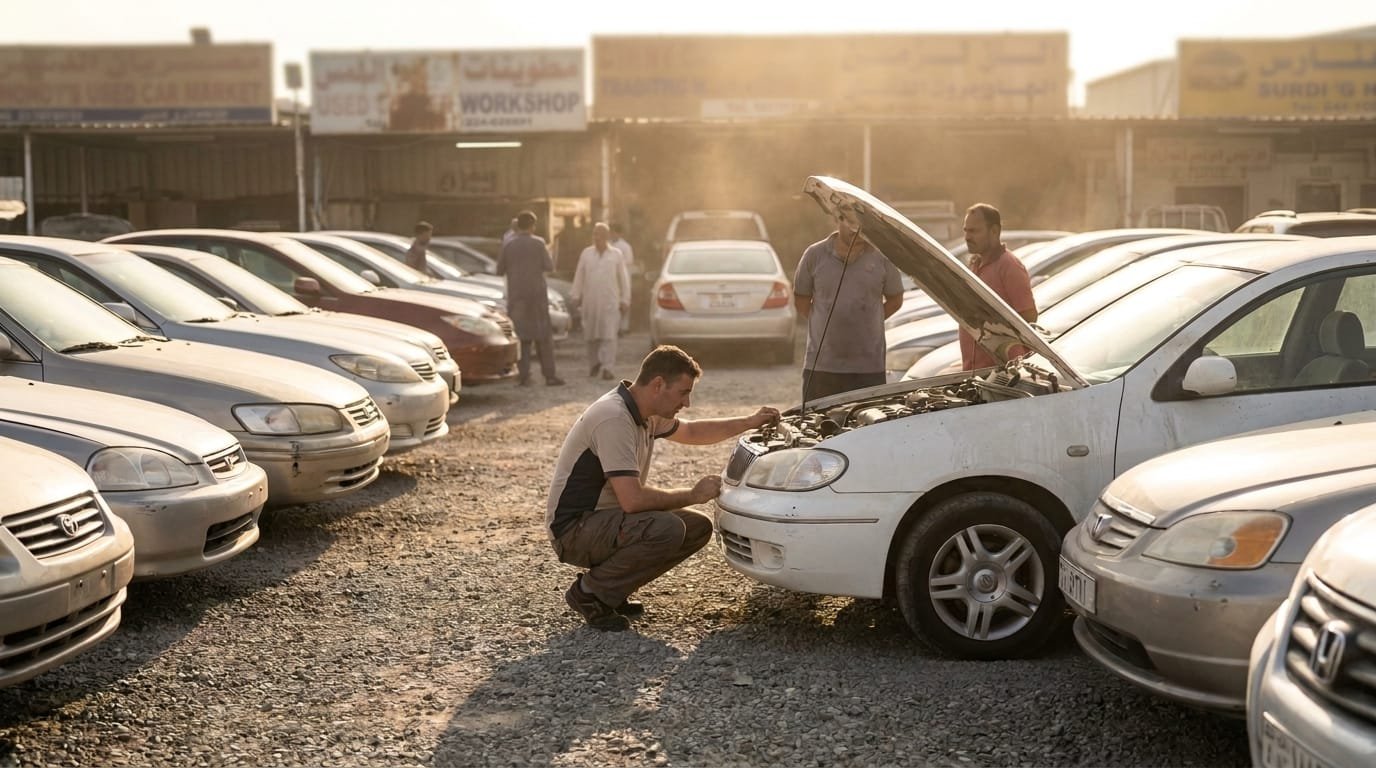
Last Updated: July 2026 | By Omar Al-Fayed, Senior Automotive Consultant | Category: UAE Market News
Every year, thousands of expats across Dubai, Sharjah, and Abu Dhabi ask the same question as Ramadan ends: do car prices actually drop after the holy month, or is that just market folklore? The short answer is that there is some softening in the used car market in the weeks immediately following Ramadan — but it is uneven, temporary, and depends heavily on which type of car you are buying, where you are buying it, and how quickly you move.
If you are planning your first car purchase in the UAE, reviewing our used car test drive checklist before visiting any seller can save you from the most common mistakes buyers make in this window.
⚠ Financial Disclaimer: The information provided in this article is for educational purposes only. Banking regulations, auto loan interest rates, and lending criteria in the UAE are subject to periodic change. Readers should verify all terms directly with licensed UAE financial institutions or Central Bank portals before signing any contract.
Direct Answer: What Usually Happens After Ramadan?
Used car prices in the UAE do not collapse after Ramadan. What typically happens is a modest softening — sellers who listed cars just before Ramadan become more willing to negotiate as the post-holiday period stretches out. In many documented cases across Al Quoz and Abu Shagara, private sellers accept discounts of roughly 3% to 8% below their asking price during the first three to four weeks after Eid.
New car dealers behave differently. Many dealerships run structured post-Ramadan promotions tied to quarterly sales targets. These promotions sometimes include waived registration fees, free insurance for one year, or reduced down payments. Whether these represent genuine savings depends on how the base price has been adjusted beforehand.
Who benefits most: budget buyers purchasing economy sedans from private sellers. Who benefits least: buyers targeting popular GCC-spec SUVs or low-mileage Japanese imports, where demand consistently exceeds supply regardless of the season.
Why the UAE Car Market Changes After Ramadan
Three market forces converge after Ramadan. First, sellers who delayed transactions during the month — when business activity slows — re-enter the market simultaneously, creating temporary oversupply on platforms like Dubizzle and Facebook Marketplace.
Second, some expatriates who received end-of-service bonuses or salary adjustments enter as buyers, which partially absorbs that supply. Third, dealerships face quarterly Q2 inventory and sales targets that expire shortly after Eid, which creates a genuine, if brief, window for negotiation.
These three forces do not always move in the same direction. In 2025, for example, market observers noted that used Toyota Corolla inventory on Dubizzle actually tightened in the two weeks after Eid because of strong demand from new expat arrivals. The post-Ramadan dip is real but should not be treated as a guaranteed discount event.
What Makes 2026 Different From Previous Years
The 2026 post-Ramadan market carries an additional factor that did not exist in previous cycles. Following the United States’ imposition of a 25% tariff on automotive imports earlier in 2025, a significant volume of vehicles originally destined for the US market was redirected toward the UAE and broader GCC region. This created downward pressure on new car prices that operates independently of seasonal buying windows.
Several mainstream brands — including Chinese, Korean, and select Japanese models — entered UAE showrooms at price points noticeably lower than their 2024 equivalents, as dealers competed to absorb the redirected inventory. For buyers considering a new car purchase, this structural price softening means the post-Ramadan window in 2026 combines both seasonal negotiation leverage and an underlying market correction.
The two effects are separate: one is temporary and seasonal, the other reflects a supply shift that may persist through the remainder of the year. Verify current pricing directly with dealers, as the extent of this correction varies by brand and model.
Do Used Car Prices Actually Drop?
Based on recurring patterns observed across UAE workshops and online marketplaces, used car asking prices typically remain stable but negotiated final prices move 3% to 8% lower than the listed amount during the post-Ramadan window. This is different from prices falling — the listed price stays roughly the same, but sellers become more flexible.
The areas where this flexibility is most commonly reported include: Al Aweer market in Dubai, Abu Shagara in Sharjah, and the Mussafah used car belt in Abu Dhabi. Private sellers operating through Dubizzle and WhatsApp tend to show more flexibility than established dealerships.
Economy sedans — Nissan Sunny, Toyota Yaris, Mitsubishi Lancer — show the most movement. High-demand vehicles like the Toyota Land Cruiser and Nissan Patrol rarely see meaningful price flexibility at any time of year, including post-Ramadan.
Do New Car Dealers Offer Better Deals?
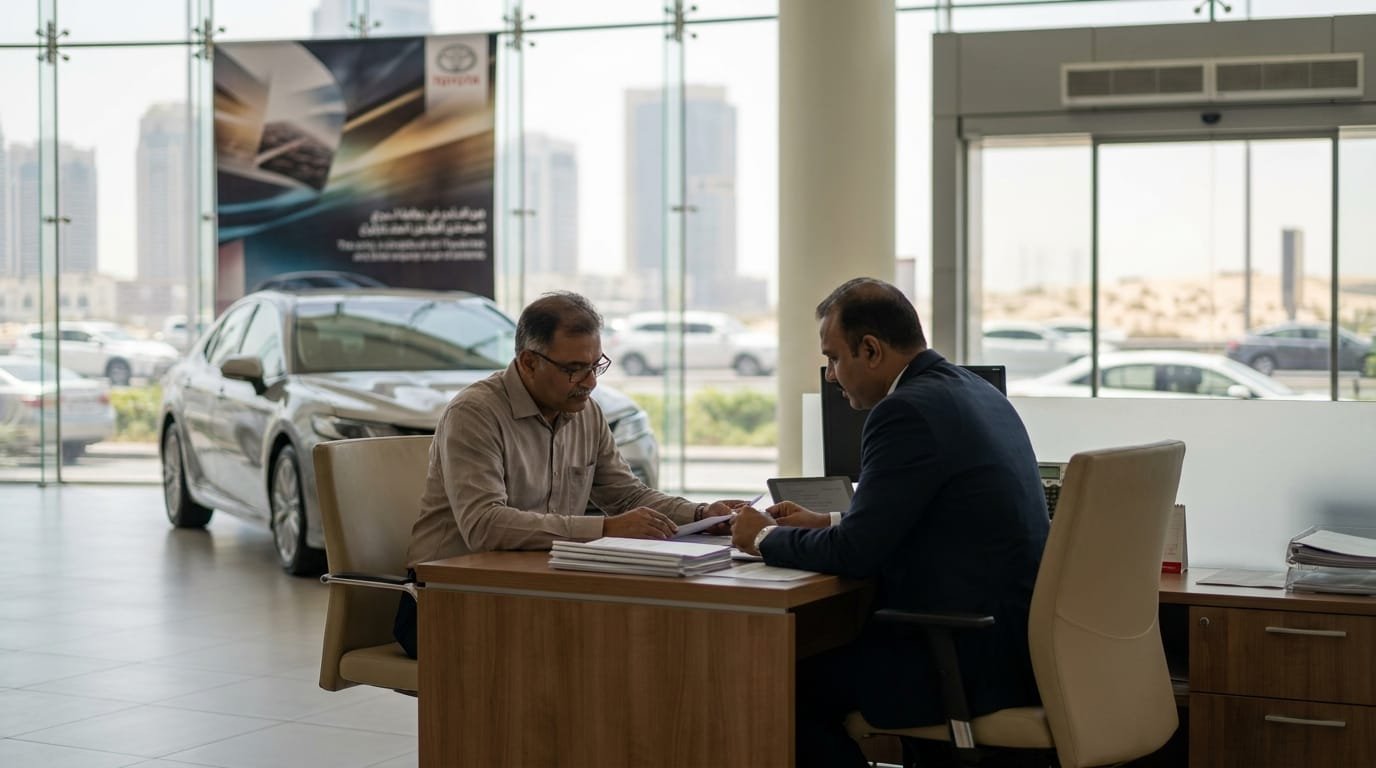
New car dealerships in Dubai and Abu Dhabi typically run structured Eid and post-Ramadan campaigns. These commonly include: free comprehensive insurance for the first year, waived registration and processing fees (typically AED 400 to 900 in total), and extended service packages. Full buying guidance for expats is available if you want to understand how to evaluate whether a dealer promotion represents genuine value.
The critical test for any dealer promotion is to compare the out-the-door price — the total you pay including all fees, insurance, and accessories — against the same vehicle’s out-the-door price three months earlier. In many cases, the base price increases slightly before the promotional window, which partially offsets the advertised benefit.
Genuine value is more commonly found in slow-moving inventory: outgoing model years, colors with low demand (white excepted), and trims that accumulated on dealer lots during Ramadan when showroom traffic drops.
Why Sellers Behave Differently After Ramadan
Private sellers face inventory pressure. Cars listed for 30 to 45 days without a sale accumulate carrying costs — registration renewal deadlines, insurance premiums, parking fees — that create motivation to close quickly. After Ramadan, sellers who listed in April and May are now several weeks into that waiting period.
Sellers who are leaving the UAE before summer — a significant segment of the expat market — face additional urgency. July and August departures mean a hard deadline that makes May and June the natural negotiation window. Our analysis of selling your car before leaving the UAE covers this pressure from the seller’s side and can help buyers understand how to identify motivated sellers.
Dealerships face quarterly targets. Q2 ends in June, which means the post-Ramadan period frequently overlaps with end-of-quarter pressure at franchise dealers. Floor managers at major dealerships in Al Garhoud and Sheikh Zayed Road have more authorization to approve discounts during this window than at other times of year.
Which Types of Cars Usually See Better Discounts?
| Vehicle Type | Typical Discount Flexibility | Reason |
|---|---|---|
| Economy sedans (Sunny, Yaris, Lancer) | 4% to 8% off asking | High private-seller supply, many departing expats |
| Mid-size sedans (Corolla, Elantra, Altima) | 3% to 6% off asking | Moderate supply, consistent demand limits deep discounts |
| Mid-size SUVs (CR-V, Tucson, RAV4) | 2% to 5% off asking | Demand remains steady, less motivated sellers |
| Luxury sedans (E-Class, 5 Series, A6) | 5% to 10% off asking | Higher carrying costs motivate sellers; fewer buyers |
| Full-size SUVs (Land Cruiser, Patrol) | 0% to 2% off asking | Demand consistently exceeds supply in UAE market |
| EVs (BYD, Hyundai Ioniq) | Variable — dealer-driven | Market still developing; dealer promotions vary widely |
Which Cars Rarely Become Cheaper After Ramadan?
Toyota Land Cruiser and Nissan Patrol GCC-spec models maintain their prices year-round. Supply is structurally limited, resale demand from UAE nationals is consistent, and sellers have no urgency. A Land Cruiser listed at AED 185,000 in April typically sells at or near that figure regardless of the month.
Low-mileage Japanese imports with clean service histories — particularly Camry 2019-2022 models — also resist seasonal softening. These cars are among the most-searched vehicles on Dubizzle and DubiCars at any time of year. For a detailed look at a specific example, our Toyota Camry field report covers what to expect from pricing and inspection findings.
Used Market vs New Market After Ramadan
| Factor | Used Car Market | New Car Market |
|---|---|---|
| Price flexibility | Negotiated — 3% to 8% off asking common | Structured promotions; base price may be adjusted |
| Supply increase | Yes — departing expats and delayed listings | Dealer inventory unchanged; model year stock clears |
| Negotiation leverage | High with private sellers | Moderate with sales managers on slow-moving models |
| Inspection required? | Always mandatory | Not applicable |
| Best window | Weeks 2 through 5 after Eid | End of month, end of quarter (June) |
| Risk level | Higher — condition varies significantly | Lower — manufacturer warranty applies |
Dealer Promotions vs Real Discounts
Not every Eid promotion represents a genuine saving. The following indicators separate real value from marketing packaging:
Signs of a genuine discount: The dealer shows you the base invoice price, the promotion is on a specific VIN (not all stock), and the out-the-door total is lower than the same model’s total three months prior.
Signs of repackaged pricing: The promotion features “free accessories” worth AED 3,000 on a vehicle with a margin of AED 15,000. The base price increased by AED 2,500 before the campaign. The “free insurance” covers third-party only, not comprehensive.
The most reliable approach: get a written quote before Ramadan for any new car you are considering, then compare the post-Ramadan promotion against that baseline. If the dealership cannot show you historical pricing, check listings on YallaMotor and DubiCars from 60 to 90 days prior.
Financing Offers After Ramadan
Several UAE banks typically run automotive financing promotions during Q2 that extend into the post-Ramadan period. These may include reduced processing fees (typically AED 1,000 to 2,000), slightly improved rates on select vehicles, or extended repayment periods. However, the Central Bank of UAE sets the framework within which all auto financing operates, and base rates do not change seasonally.
What changes seasonally is dealership financing incentives — subsidized rates offered by the manufacturer’s captive finance arm on specific models. These are genuine reductions funded by the manufacturer to move inventory, not accounting adjustments. Our full analysis of car loans versus cash purchases explains when financing actually makes financial sense in the UAE context.
For self-employed expats and freelancers, the post-Ramadan period does not change the fundamental documentation requirements. Banks still require consistent income evidence regardless of the season.
Islamic Finance (Murabaha) After Ramadan
Muslim expats considering vehicle financing may find the post-Ramadan period particularly active for Sharia-compliant auto products. Several UAE Islamic banks — including Dubai Islamic Bank, Abu Dhabi Islamic Bank, and Sharjah Islamic Bank — typically run Murabaha vehicle financing campaigns in the weeks following Eid. Under a Murabaha structure, the bank purchases the vehicle outright and sells it to the buyer at a pre-agreed profit margin, with no interest (Riba) charged.
The post-Ramadan period is commercially significant for Islamic finance institutions, and product pricing on these arrangements is sometimes more competitive during this window than at other times of year. If you are comparing conventional and Islamic financing options, request a full cost-of-finance breakdown from both — the effective total repayment amount is the correct basis for comparison, not the stated rate or profit margin alone. Verify current Murabaha terms directly with your preferred bank, as these change periodically.
Insurance Costs During This Period
Comprehensive car insurance premiums in the UAE are not meaningfully affected by the Ramadan calendar. Insurance rates are calculated based on vehicle age, driver age, nationality, claims history, and vehicle value — not the time of year. However, some insurers run promotional pricing on new policies in May and June that may or may not overlap with the post-Ramadan window in a given year.
What does affect your insurance cost in this period: buying a used car that was previously declared a total loss or has undisclosed accident history. An independent pre-purchase inspection at a registered workshop in Al Quoz or the Sharjah Industrial Area remains the only reliable way to identify this risk before purchase. Costs for a thorough independent inspection typically range from AED 200 to 500 depending on the workshop and vehicle type.
After Ramadan vs Year-End vs Summer: Which Season Is Actually Best?
Buyers often ask whether post-Ramadan is genuinely better than waiting for the year-end clearance period or buying during the summer slowdown. The honest answer is that each window has a different profile — and the right choice depends on what you are optimising for.
| Factor | After Ramadan (May–June) | Year-End (Nov–Dec) | Summer (Jul–Aug) |
|---|---|---|---|
| Used car inventory | High — departing expats + delayed listings | Moderate — stable market activity | Low — sellers withdraw in heat |
| Seller negotiation flexibility | High — time pressure from summer departure | Moderate — less urgency for most sellers | Low — fewer active sellers |
| New car dealer promotions | Strong — Eid campaigns + Q2 targets | Strong — model year clearance + Q4 targets | Moderate — summer promotions, less traffic |
| Competition from other buyers | Moderate — post-Eid rush fades after week 1 | High — year-end bonuses activate many buyers | Low — reduced market activity overall |
| Best for used car buyers | ✅ Yes — private sellers most flexible | Partial — less inventory, more buyer competition | Possible — patient buyers find isolated deals |
| Best for new car buyers | ✅ Yes — Q2 targets + Eid campaigns align | ✅ Yes — model year clearance drives genuine discounts | Partial — fewer models discounted |
| Inspection centre wait times | Moderate — post-holiday volume | Low — quieter period | Low — reduced market activity |
For most expat buyers, the post-Ramadan window edges out the year-end period on the used car side because seller urgency is structurally higher — summer departures create hard deadlines that year-end does not replicate. For new car buyers, year-end model-year clearance and post-Ramadan Q2 pressure are broadly comparable; the 2026 tariff-driven price correction adds further weight to buying sooner rather than later.
Should Expats Buy Immediately or Wait?
Buying in the first week after Eid is rarely optimal. Sellers are still recovering from the holiday, inventory is high but competition among buyers is also high as everyone reads the same “best time to buy” articles simultaneously. The practical sweet spot, based on recurring market patterns across UAE used car platforms, is approximately two to four weeks after Eid Al Fitr.
By week two, the initial rush of post-holiday buyers has cleared. Sellers whose cars remain unsold are beginning to feel time pressure. Dealerships are approaching the middle of the month, where end-of-month targets start becoming relevant. This is the window where negotiation is most productive.
Waiting beyond week six typically reduces the advantage. Inventory begins normalizing as the summer heat reduces casual browsing, and sellers who have not sold often withdraw listings until September.
Best Buying Window After Ramadan
%%{init: {'theme': 'base', 'themeVariables': {'background': '#f8f9fa', 'textColor': '#1a1a1a', 'primaryColor': '#2c3e50', 'secondaryColor': '#c0392b', 'lineColor': '#1a1a1a'}}}%%
xychart-beta
    title "Post-Ramadan Buyer Advantage Window (Estimated)"
    x-axis ["Week 1", "Week 2", "Week 3", "Week 4", "Week 5", "Week 6+"]
    y-axis "Negotiation Advantage (0-10)" 0 --> 10
    bar [3, 6, 8, 7, 5, 3]
Note: This chart represents illustrative market observations, not official data. Actual conditions vary by vehicle type, emirate, and seller motivation.
Market Timeline: Before, During, and After Ramadan
flowchart TD
    A["Before Ramadan
Largest inventory available
Sellers more selective
Full asking prices typical"] --> B["During Ramadan
Market activity slows
New listings accumulate\nBuyers mostly window shopping"]
    B --> C["Immediately After Eid
Week 1 — Busy but competitive
Many buyers enter at once
Sellers less pressured"]
    C --> D["Weeks 2–4 Post-Ramadan
Sweet spot for buyers
Sellers feel time pressure\nBest negotiation conditions"]
    D --> E["2–3 Months Later
Summer heat slows market\nUnsold cars withdrawn\nInventory tightens again"]
    classDef default fill:#000000,color:#ffffff,stroke:#000000;
Quick Reference: When to Buy Based on Your Goal
| Buyer Goal | Best Time | Why |
|---|---|---|
| Lowest negotiated price | Weeks 2–4 after Ramadan | Seller pressure peaks; time-motivated sellers most flexible |
| Largest selection of cars | Before Ramadan (March–April) | Full inventory before holiday slowdown reduces listings |
| Best new car dealer promotion | Post-Ramadan + end of June | Eid campaigns overlap with Q2 quarterly target pressure |
| Fast purchase, any condition | Any time of year | UAE market is active year-round; urgency drives availability |
| Strongest negotiation leverage | Weeks 2–4 after Ramadan | Combination of oversupply, seller urgency, and Q2 dealer targets |
| Avoid summer slowdown | Complete purchase before July | July–August heat reduces market activity; sellers withdraw listings |
Risks of Buying Too Quickly
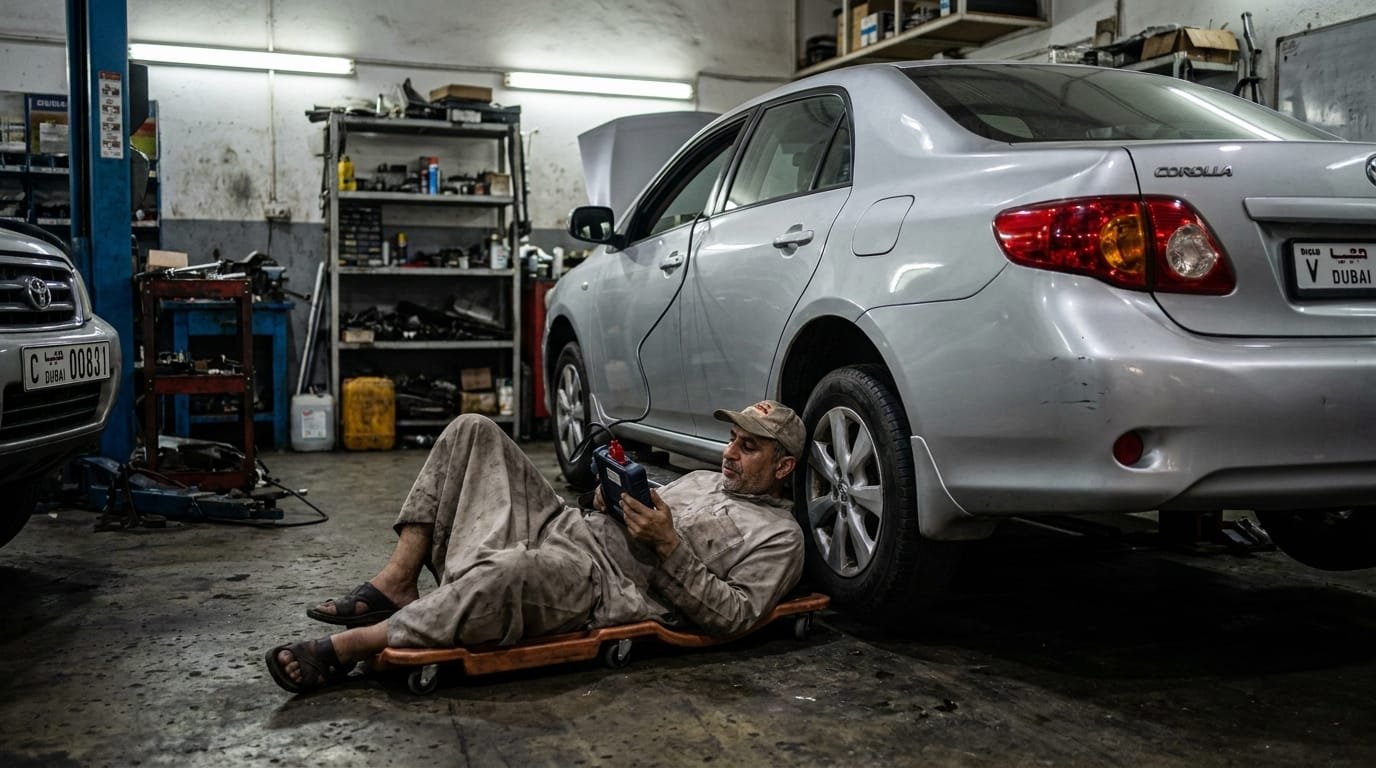
The post-Ramadan excitement creates its own risks. Buyers who rush to capture a seasonal discount sometimes skip or compress the inspection process. In the UAE used car market, this is among the most expensive mistakes a buyer can make. A vehicle with undisclosed flood damage, a tampered odometer, or an unresolved accident history can appear clean on a basic visual inspection but reveal serious issues within the first 60 days of ownership.
🚨 High-Risk Pattern: Post-Ramadan sellers sometimes list vehicles that failed inspection during the month and were withheld from the market, then re-listed after Eid with cosmetic cleaning. Always verify any vehicle’s history through the official RTA vehicle inquiry service and request an independent mechanical inspection before any payment.
A rushed buyer also tends to skip price comparison. A car listed at AED 28,000 on Dubizzle may have three comparable listings at AED 25,500 on DubiCars. Spending 30 minutes on cross-platform comparison before visiting a seller is consistently among the highest-return actions a used car buyer can take.
Scam Prevention: Post-Ramadan Specific Risks
The volume of car listings increases sharply after Ramadan. So does the volume of fraudulent listings. Several patterns recur consistently in UAE market observations:
🚨 Most Dangerous Post-Ramadan Trap: “Overseas seller” listings that appear immediately after Eid. The seller claims to be outside the UAE temporarily and requests a deposit via bank transfer to “hold” the vehicle. Once the deposit is paid, the seller becomes unreachable. No legitimate private car seller in the UAE requires a deposit before the buyer has physically inspected the vehicle and verified its documents.
Additional patterns to avoid: sellers who cannot provide a Mulkiya (registration card) in their name, vehicles offered with “service history available on request” but not presented, and sellers who insist on meeting at a location other than the car’s registered address or a licensed inspection centre.
To verify any seller’s claim about a vehicle’s history, use the official RTA vehicle information service. For accident history verification, the Dubai government portal provides access to vehicle accident records for a nominal fee. Our detailed guide on checking accident history in the UAE walks through the exact steps.
Inspection Checklist Before Buying
| Inspection Item | What to Check | Warning Sign |
|---|---|---|
| VIN verification | Match chassis plate to Mulkiya | Any mismatch — walk away |
| Accident history | RTA portal + panel gaps visual check | Uneven panel gaps, mismatched paint shade |
| Service records | Physical stamps in service book | Gaps above 10,000 km between stamps |
| Mechanical inspection | Independent workshop — Al Quoz or Sharjah Industrial | Suspension noise, transmission hesitation, engine codes |
| Flood check | Smell under carpet, check seatbelt holders for rust | Musty smell, rust on anchor bolts |
| Tyres | Age code on sidewall (DOT date) | Tyres older than 4 years regardless of tread depth |
| AC performance | Run AC at full power for 10 minutes | Cooling loss after 5 minutes at idle |
Illustrative Field Scenarios: Workshop & Market Patterns
Example scenarios based on recurring UAE market patterns, not actual documented cases.
Scenario 1: Indian Expat, AED 3,800 Salary, Economy Sedan
A software support worker from Hyderabad shortlisted three Nissan Sunny listings in Abu Shagara priced between AED 17,500 and AED 19,000 — all listed before Ramadan. By week three after Eid, two sellers had reduced asking prices to AED 16,800 and AED 17,200 after no activity during the month. After an independent inspection at a workshop in the Sharjah Industrial Area (cost: AED 220), one car passed cleanly and the buyer negotiated a final price of AED 16,500 including a new set of front tyres. Total out-the-pocket cost before insurance and registration: approximately AED 17,200 to AED 17,800.
Scenario 2: Filipino Expat, AED 5,500 Salary, First-Time Buyer
A nurse from Cebu visited a franchise dealership on Sheikh Zayed Road two weeks after Eid. The promotional package included free comprehensive insurance (valued at approximately AED 2,200) and waived registration fees on a 2025 Nissan Sunny.
The base price had increased by AED 1,500 compared to a quote obtained in February — meaning the net benefit of the promotion was approximately AED 700 to AED 900, not the full AED 2,200+ headline figure. Still a modest saving, but significantly less than the promotion implied.
Scenario 3: British Expat, AED 12,000 Salary, Upgrading Vehicle
A project manager from Manchester sold a 2019 Mitsubishi Lancer during Ramadan at a slight discount to clear it before departure preparation. He used the proceeds plus savings to target a 2021 Toyota Camry in the AED 62,000 to AED 68,000 range.
By sourcing from a private seller in Al Quoz who had listed the car 40 days earlier with no inquiries during Ramadan, he negotiated the asking price from AED 65,500 to AED 62,000 after presenting a written inspection report identifying minor suspension wear.
Buyer Scenarios by Salary Band
| Monthly Salary | Realistic Budget | Best Targets Post-Ramadan | Key Consideration |
|---|---|---|---|
| AED 3,000–4,000 | AED 12,000–18,000 cash | Nissan Sunny, Toyota Yaris (2015–2018) | Cash only; avoid finance at this income level |
| AED 4,500–6,000 | AED 18,000–28,000 cash or light finance | Toyota Corolla, Mitsubishi Lancer, Kia Cerato | Target private sellers in Sharjah for best value |
| AED 7,000–10,000 | AED 28,000–50,000 with finance | Toyota Camry, Nissan Altima, Honda Accord | Post-Ramadan window genuine for mid-size sedans |
| AED 10,000+ | AED 50,000+ new or certified used | New economy SUVs or certified used Japanese | Dealer promotions most accessible at this level |
| Family buyer | Depends on salary | Toyota Innova, Mitsubishi Outlander, Nissan X-Trail | Prioritize reliability over promotional discount |
Seasonal Buying Tips
Negotiation
Present a written independent inspection report during negotiation. Sellers almost universally accept a 2% to 4% price reduction when presented with documented repair estimates, even for minor items. An inspection report is a negotiation tool as much as it is a safety tool.
Trade-Ins
Dealers typically offer lower trade-in values in the post-Ramadan period because their used car forecourts are filling with part-exchanges. If you have a vehicle to sell, private sale through Dubizzle or Facebook Marketplace will almost always return AED 2,000 to AED 5,000 more than a dealer trade-in at this time of year.
Timing Purchases
The final three days of any calendar month are consistently the best time to visit a dealership. Sales managers have clearest visibility of their monthly gap and have maximum authorization to approve price reductions. A visit on the 28th or 29th of the month, combined with post-Ramadan inventory pressure, creates the most favourable negotiation environment of the year for new car buyers. More negotiation tactics specific to Dubai are covered in our dedicated guide.
The Bottom Line Decision Framework
| Your Situation | Recommended Action |
|---|---|
| New expat, need transportation immediately | Buy week 2–3 post-Ramadan. Economy sedan, private seller, Sharjah or Al Quoz sourcing. |
| Existing car, considering upgrade | Wait until week 3–4. Cross-platform comparison first. Dealer end-of-quarter June timing optimal. |
| Departing UAE within 12 months | Buy Toyota (Yaris/Corolla/Camry) only. Resale value advantage outweighs any seasonal discount on other brands. |
| Family with children, need reliability | Prioritize GCC-spec, verified service history over promotional discount. Do not rush. |
| First-time buyer, limited budget | Budget AED 500 for independent inspection before any purchase. This is non-negotiable. |
| Targeting Land Cruiser or Patrol | Post-Ramadan timing provides no meaningful advantage. Buy when the right car appears regardless of season. |
| Considering new car with dealer promotion | Compare out-the-door total against pre-Ramadan quote. If no baseline exists, request itemized pricing before signing. |
Data Sources & Methodology
Market observations in this article are based on recurring patterns documented across UAE automotive platforms and workshop records. Used car price ranges were cross-referenced against active listings on Dubizzle Motors, YallaMotor UAE, and DubiCars during the research period. No official UAE government body publishes seasonal used car price indices; all price observations are market estimates based on listing data analysis and do not represent guaranteed transaction prices.
Regulatory information regarding vehicle registration, transfer procedures, and RTA inspections was verified through the official Roads and Transport Authority portal. Insurance references were cross-checked against the Central Bank of UAE consumer protection framework. Dealer financing information was reviewed against publicly available product sheets from UAE commercial banks.
Ownership cost comparisons draw on our broader research program across real ownership cost documentation for the UAE expat market.
ℹ Market Volatility Notice: All price ranges, discount estimates, and ownership costs cited in this article represent market observations at time of research and are subject to change based on supply, demand, exchange rates, and broader economic conditions. Verify current prices directly with sellers and dealers before making any purchase decision. Emirates Cars is an independent platform and does not represent any dealership, bank, or insurance provider.
Frequently Asked Questions
Final Verdict
The post-Ramadan period is a real, if modest, buying opportunity — primarily for expats targeting used economy and mid-size sedans from private sellers. The window is genuine but not dramatic. Buyers who approach it with price research, a budget for independent inspection, and realistic expectations about discount magnitude will find it a productive time to purchase.
New car buyers benefit most from post-Ramadan promotions when targeting slow-moving models and outgoing year inventory at end-of-quarter timing. The savings are real but require comparison against pre-promotional baseline pricing to verify.
Who should buy after Ramadan: first-time buyers with a clear budget, expats who need transport quickly, and buyers targeting Toyota or Nissan economy sedans from private sellers.
Who should wait: buyers targeting Land Cruisers, Patrols, or any high-demand GCC-spec vehicle where seasonal timing provides no meaningful advantage. Buyers who have not yet done price research across platforms should spend one to two weeks on that research before visiting any seller.
For a complete picture of how seasonal timing intersects with your total annual car ownership costs, our UAE expat car ownership calendar maps the full year’s decision points in one reference.
Disclaimer: Emirates Cars is a 100% independent platform. We do not own showrooms, nor are we affiliated with any used car dealerships or garages. Our sole mission is to protect expats from financial fraud in the automotive market. All content on emiratescarssite.com is produced independently without advertiser influence.
Written by: Omar Al-Fayed, Senior Automotive Consultant — 15 years of UAE market inspection experience across Al Quoz, Al Aweer, and Abu Dhabi Mussafah workshops. Emirates Cars is an independent platform with no commercial affiliation to any dealership or manufacturer.

Great article! The information about car insurance in uae was clear and very helpful. Thanks for sharing!
I am happy you participated… Thank you.